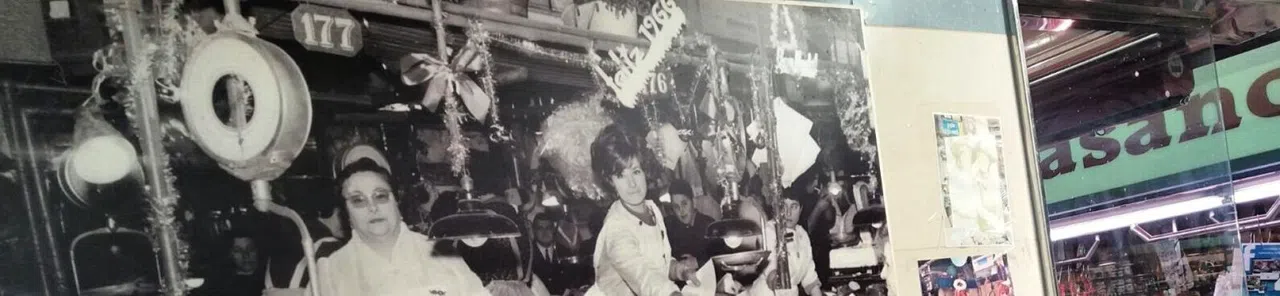

Beyond the striped umbrellas and the paddleball games, Barceloneta still smells like a fishing quarter before nine in the morning — diesel from the boats coming in, brine off the ice, and frying oil from bars that haven't changed their fryer, let alone their menu, in eighty years. This is not the beach. This is the old neighbourhood the beach happens to be attached to, and it still feeds itself the way it always has: standing at a zinc counter, queuing at a market stall, or booking a table three days out for a Sunday rice. Here's how to eat it properly in 2026, door policies and all.
Start at the Market, Not the Beach
Before any restaurant booking, before any bar queue, there is Mercat de la Barceloneta (the neighbourhood's own market, tucked at Barceloneta's inland edge, well away from the sand), open since 1887. No booking, no door policy — you walk in, browse the fish counters and produce stalls, and can eat standing at a stall for a few euros if you time it right. It closes Sundays and effectively winds down by mid-afternoon, so this is a before-3pm stop, and it's the right first move whether you're travelling solo or leading a group: everything that follows in this piece — the bombas, the suquet, the grilled fish — traces back to what gets landed and sold here. Understanding the market is what separates a restaurant that's good from a restaurant that's good because of where it is.
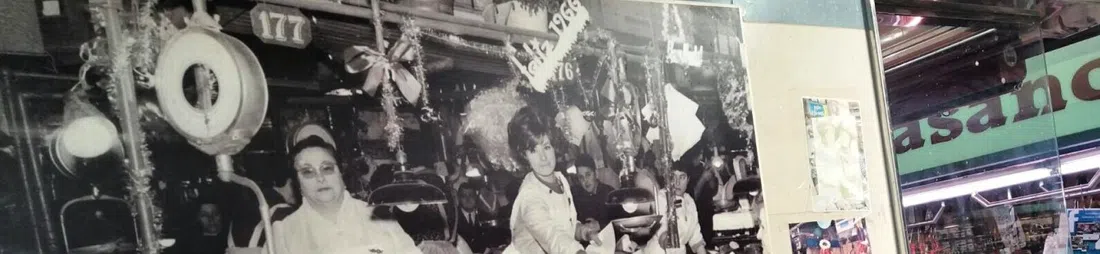
The Bomba Belt: Old-School Tapas Bars
Barceloneta's tapas bars aren't a genre exercise in "traditional Spanish food" for visitors — they're where dockworkers and market stallholders have eaten since the mid-twentieth century, and the dish that defines the neighbourhood, the bomba (a fried potato ball stuffed with meat, served under a violently spicy sauce and a milder alioli), was born here.
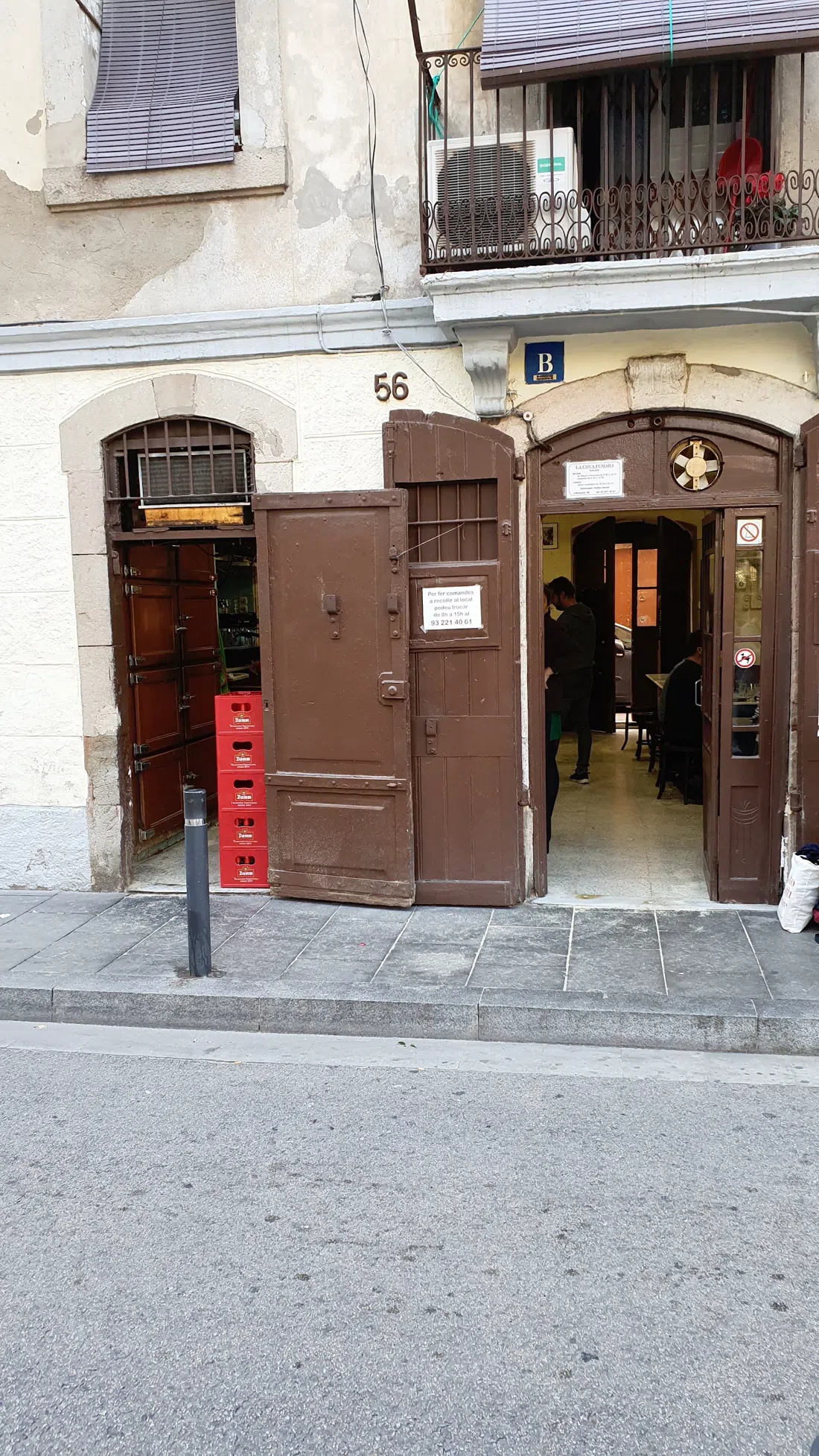
La Cova Fumada (a standing-room backstreet counter, no signage to speak of) claims the title outright: this is the bar that invented the bomba, in 1944, and it remains the single most-cited reason anyone travels to Barceloneta to eat. The catch is that it runs no reservation system whatsoever — it's a standing counter, cash only, and it fills before midday. If you want a stool rather than a wall to lean on, arrive before 11:30am. It works for two to four people who don't mind eating on their feet; it does not work as a booked group stop, so don't try to walk a party of ten in at 1pm and expect a table.
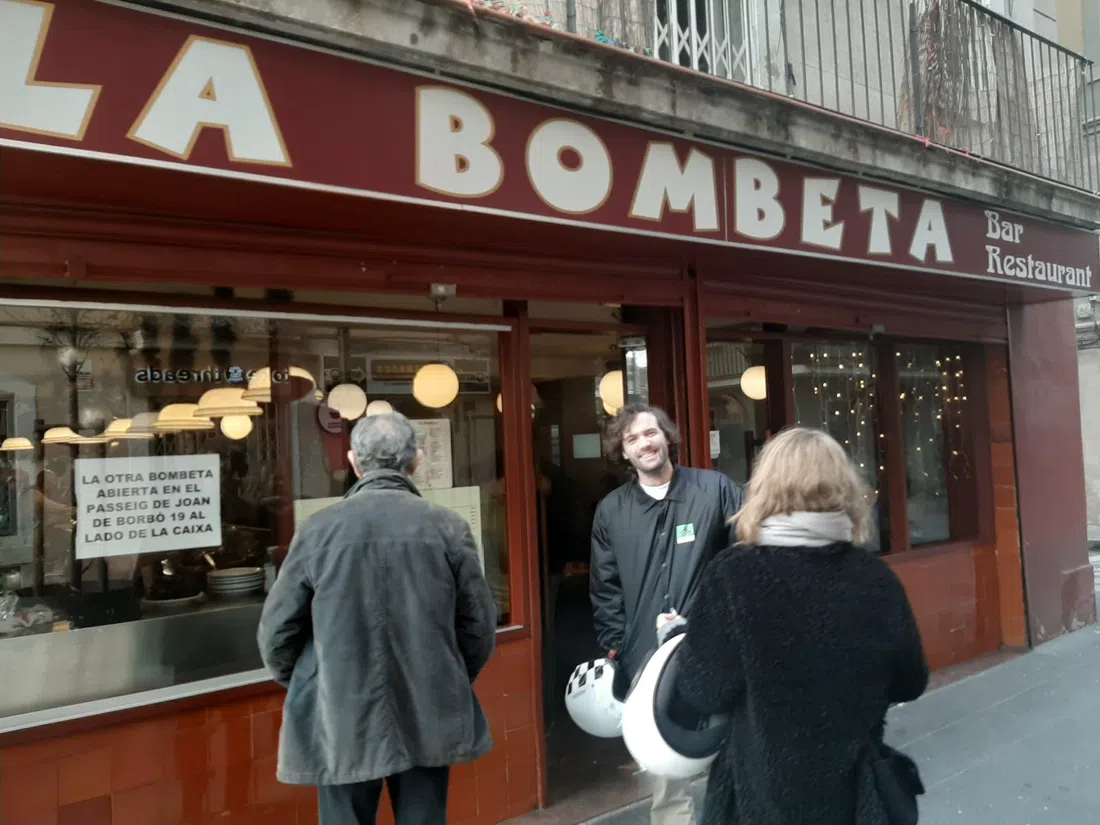
La Bombeta (a short walk from La Cova Fumada, same backstreets) does the same core repertoire — bomba included — but with a walk-in terrace and a later, more relaxed service, which makes it the better choice if your group is small-to-medium and you'd rather sit than queue. Tapas run €4-14, similar territory to La Cova Fumada, but without the elbow-to-elbow crush.
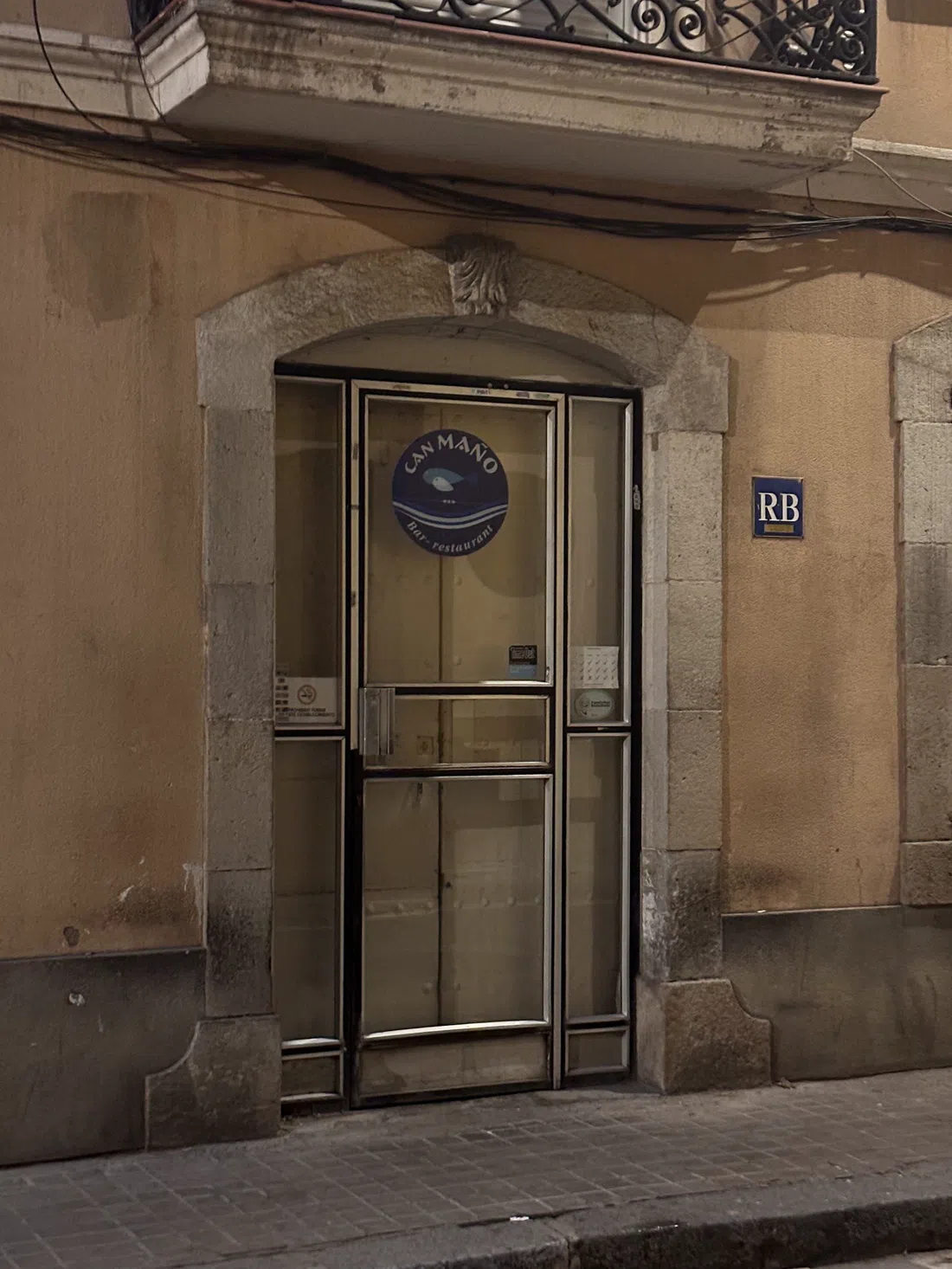
Can Maño (deep in the fishing-quarter backstreets, no sign that reads as tourist-facing) is the rawest of the lot: a small family-run room with no formal reservation system, loud, cheap (mains €8-18), and entirely unconcerned with whether a visitor finds it charming. It rewards pairs or small groups who arrive early and don't need quiet. This is the place that "hidden gem" write-ups always reach for and never earn — it isn't hidden, it's simply unbothered.
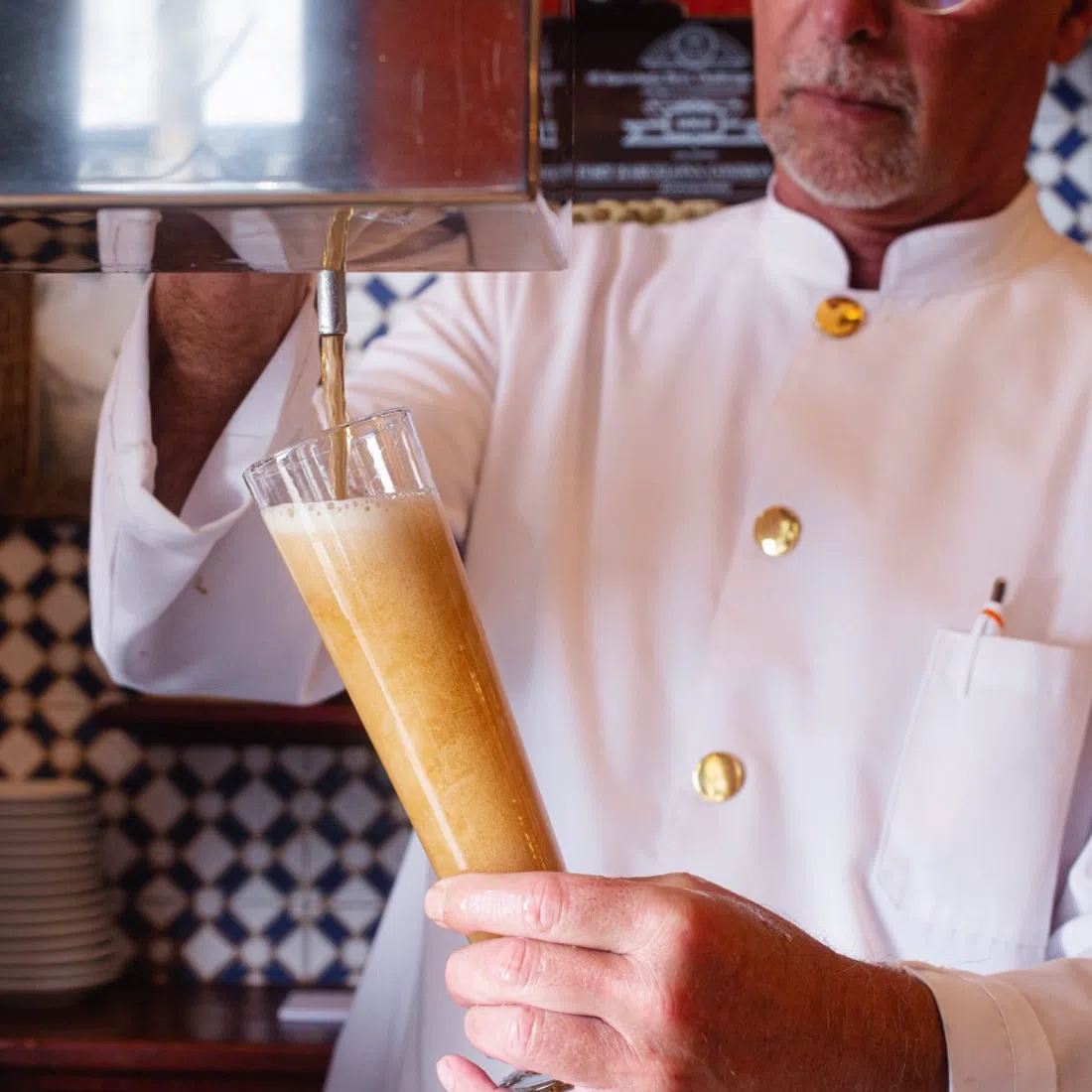
El Vaso de Oro (a backstreet counter off the tourist grid) has been pulling classic tapas and its own home-brewed beer for more than fifty years from a bar with very few tables and mostly standing room. It does not take reservations and does not work for groups over four — this is a couple's or a duo's bar, full stop, and one of the few addresses in this piece with no realistic group workaround.
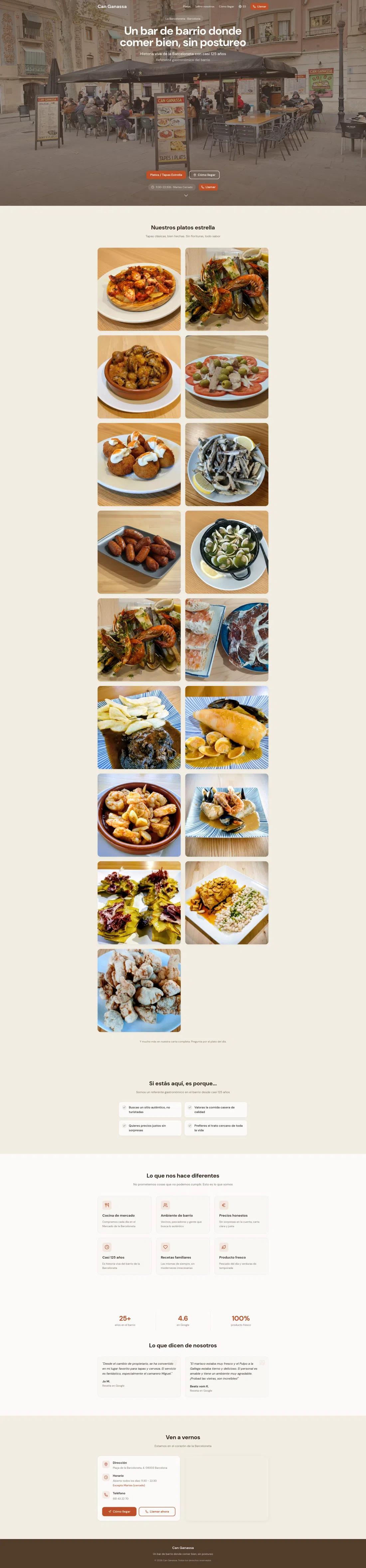
Can Ganassa (on a wide open plaza, easy to spot) is the opposite case: open daily from 11:30am to 11:30pm on a terrace with real space, it's the one old-school tapas bar you can actually walk a group into without a plan. Tapas run €5-16, and the plaza setting means there's room to spread out — useful if you're travelling with more than four people and everywhere else on this list has said no.
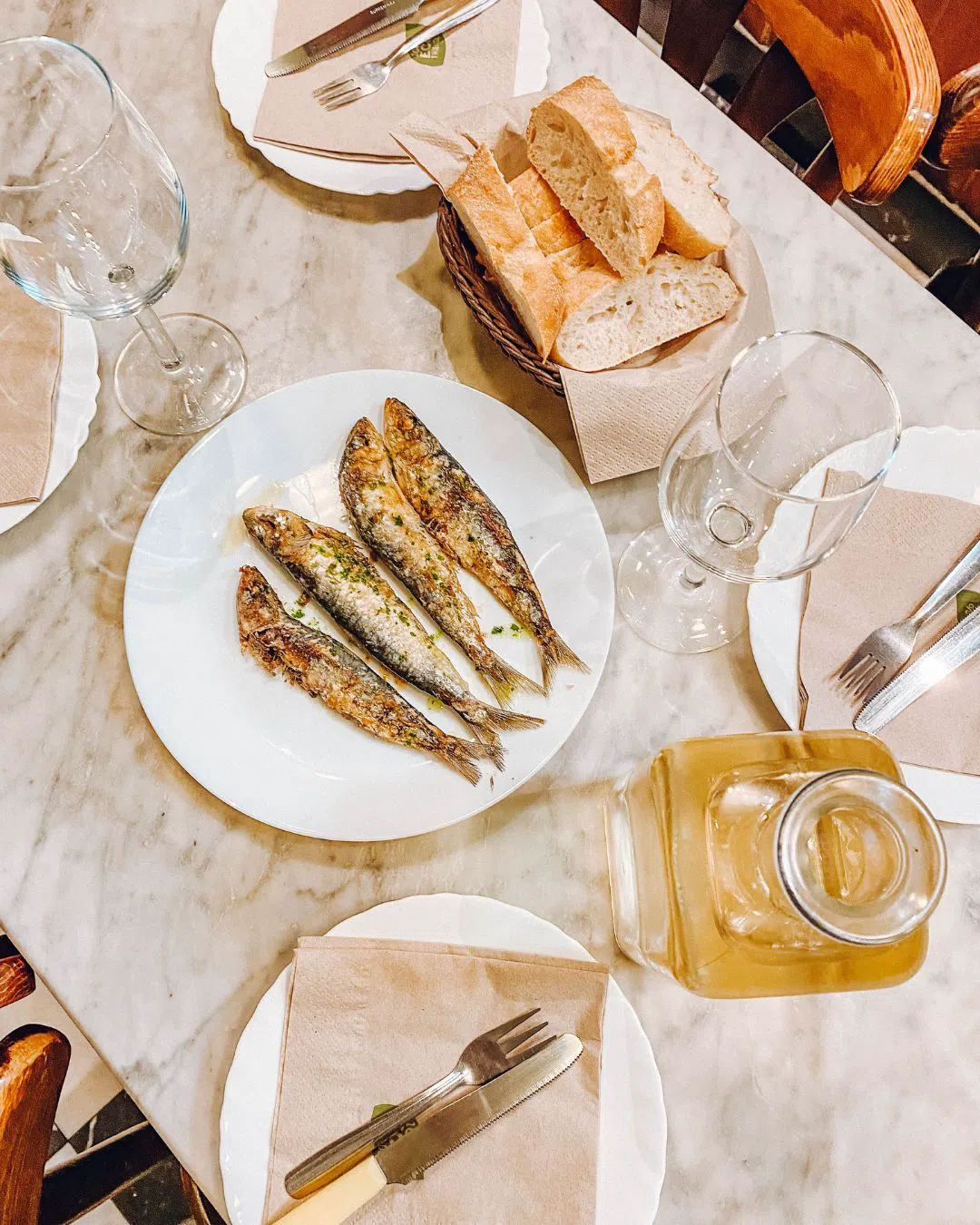
Jai-Ca (a backstreet bar-and-tables spot, family-run since 1955) splits itself across a casual counter-and-tables format and, when the original room overflows, a second address two doors down (Jai-Ca 2). The bar side doesn't take reservations, but the table format makes it workable for small-to-medium groups in a way La Cova Fumada and El Vaso de Oro simply aren't. Tapas €5-15.
Between these six, the honest group logic is: La Cova Fumada and El Vaso de Oro for two to four people, first thing or off-peak; Can Ganassa and Jai-Ca for groups who need a table without a booking system; La Bombeta and Can Maño somewhere in between.
Beachfront and Port: The Seafood Restaurants
Once you move from tapas to a proper seated seafood meal, Barceloneta's restaurants split cleanly along the beach-versus-port line — and the port side is consistently the better value.
Can Solé (inland from the beach, closer to the old port) is the historical anchor of the whole neighbourhood: opened in 1903, literally to feed the fishermen working the port, it's Barceloneta's oldest restaurant and still takes bookings, including for groups with advance notice. At €25-45 a main, it isn't cheap, but you're paying for over a century of doing rice and fish the same way.
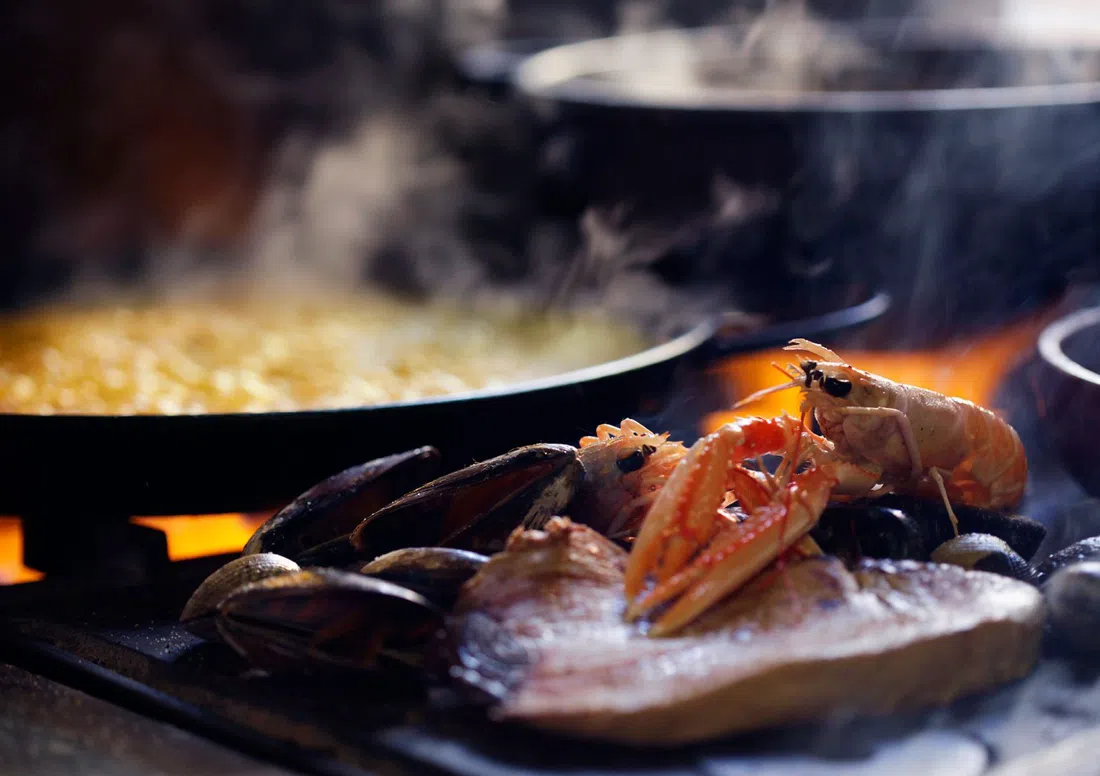
Can Majó (on the seafront itself) sits with one of the few genuinely uninterrupted sea views left in the neighbourhood — most of the beachfront strip has its outlook blocked by the promenade crowd. Reservations are recommended and the terrace handles groups comfortably. Mains run €25-40, with rice dishes priced to share, and the paella here is the one worth paying beachfront rates for.
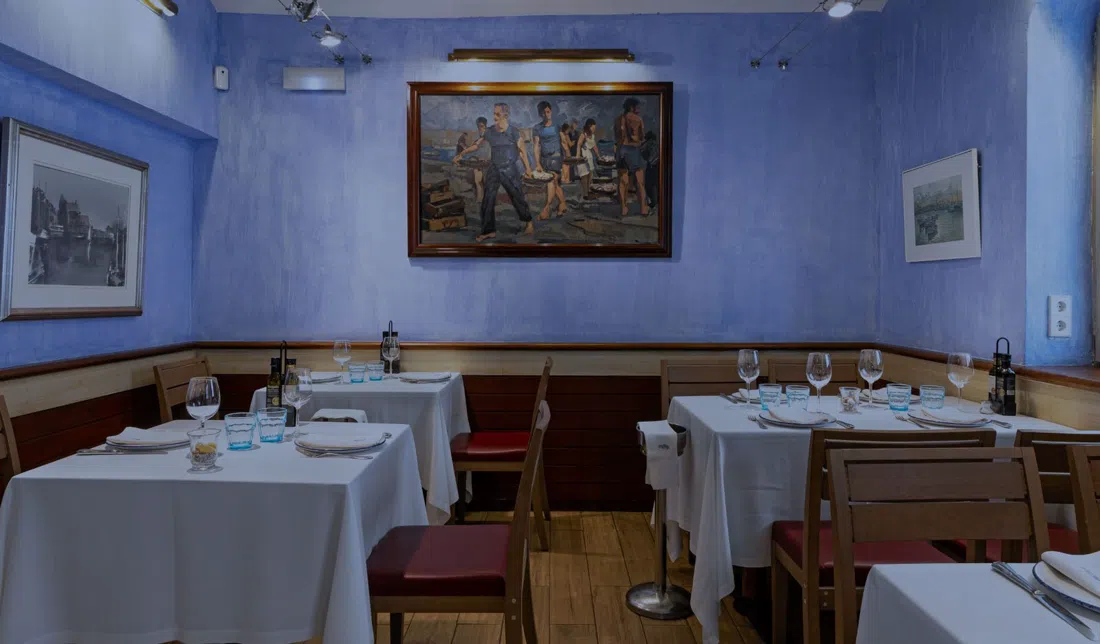
Barraca (directly on the beachfront) is the modern pick, split between an upstairs dining room seating around eighty that takes group bookings, and a downstairs terrace that's walk-in only for vermouth and snacks — a useful two-tier structure if part of your group wants a full sit-down meal and the rest just wants a drink by the sand. Mains run €20-40. Its genuine differentiator is a whole-fish menu that needs ordering 24 hours in advance — worth knowing if you're planning a special dinner rather than a casual stop, since it isn't something you can decide on the night.
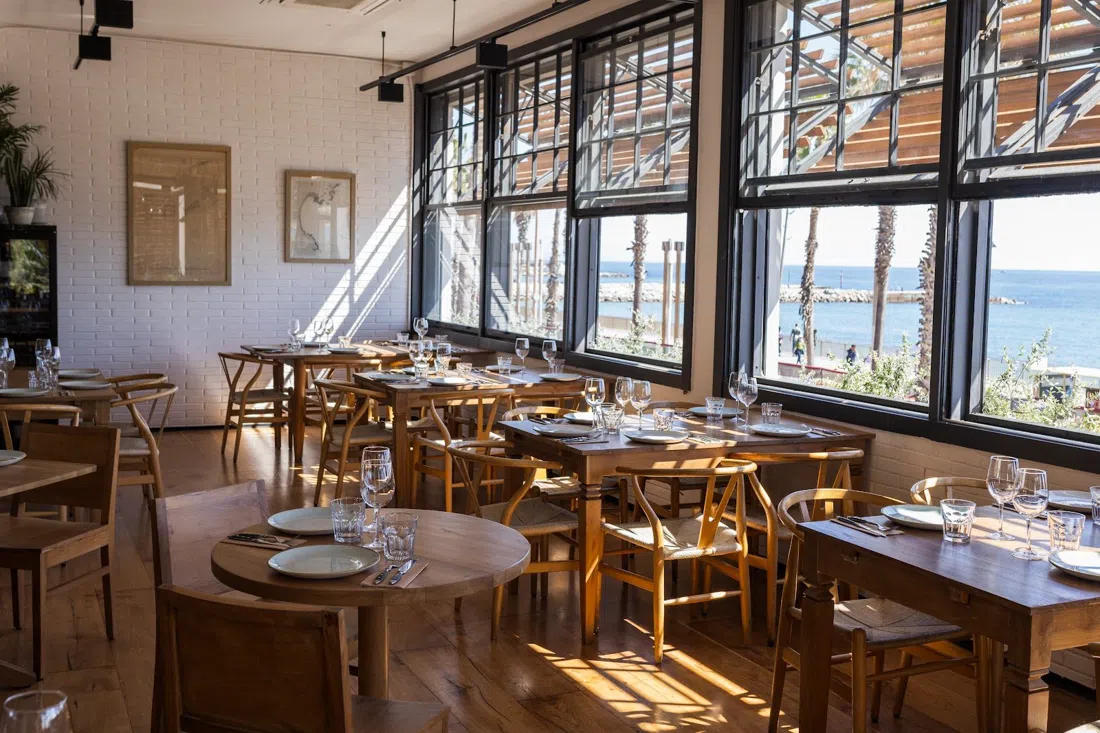
La Mar Salada (port-facing, off the beachfront strip) is the value case on this side of the list: two dining floors, family-friendly, and it takes group reservations, all while sitting away from the beachfront pricing. At €30-50 per person it's mid-range for Barceloneta seafood, and a solid choice if you want the format — proper seated restaurant, tablecloths, a wine list — without the beachfront premium.
The View From the Tower: Torre d'Alta Mar
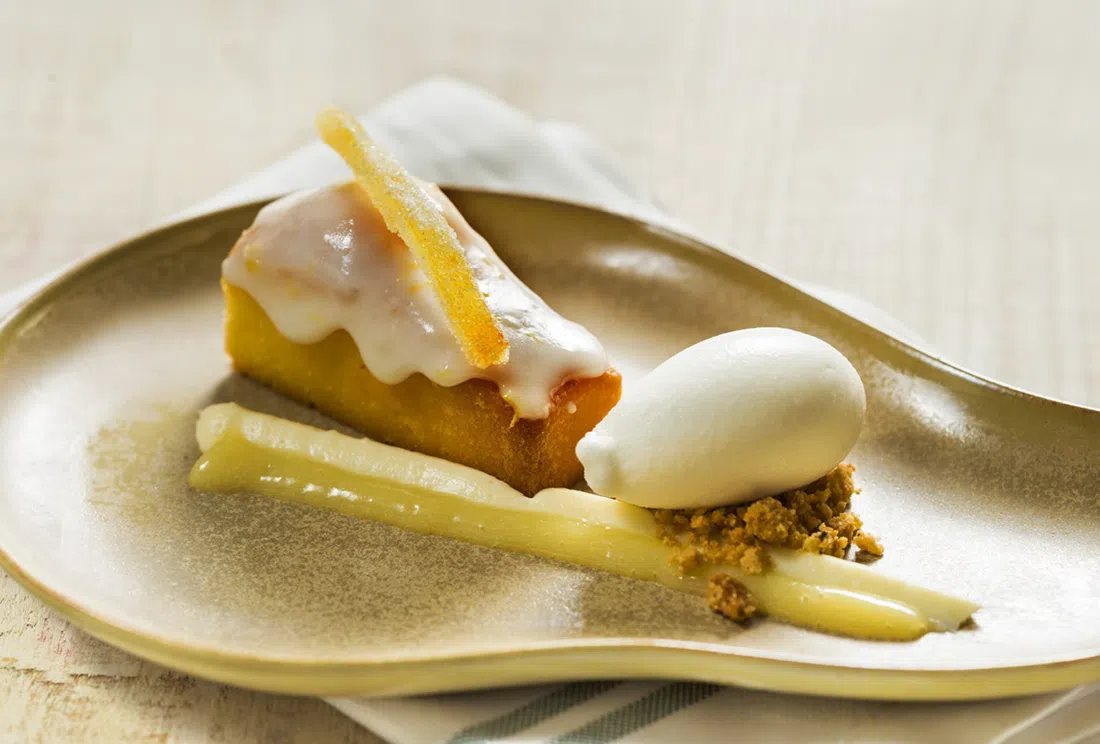
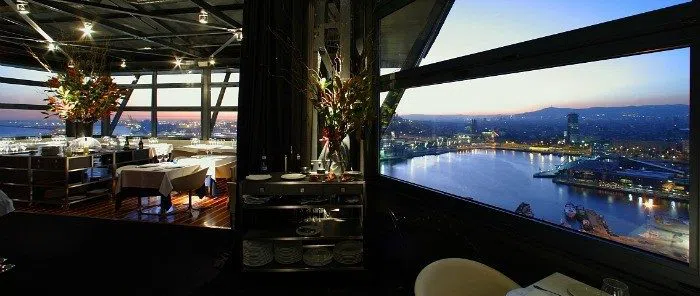
The outlier in this piece, and worth treating as one: Torre d'Alta Mar (atop the 1931 cable-car tower at the edge of the port) is Barceloneta's Michelin-recognised fine-dining seafood restaurant, and it operates on an entirely different register from everything else here — reservations are essential, not optional, smart-casual dress is expected, and mains run €40-70, with tasting menus higher again. What makes it belong in a fishing-quarter piece rather than a generic fine-dining list is the room itself: it sits on the same cable-car infrastructure the working port built in 1931 to move goods and people across the harbour, so the seafood-heavy tasting menu is served with the actual fishing and shipping history of the neighbourhood underneath the glass floor. It does take groups, with notice, making it a genuine option for a single special-occasion night at the end of a trip built otherwise around tapas counters and market stalls.
Practical: Transport, Cash, Timing, Budget
Getting there. Barceloneta is walkable from most central Barcelona addresses and sits at the end of the L4 metro line (Barceloneta stop), a short walk inland from the market and the tapas backstreets. If you're staying elsewhere in the city, check Barcelona hotel search for options closer to the old town or the beach depending on which side of this itinerary you want to be nearer to.
Cash. Several of the best addresses here — La Cova Fumada most notably — are cash only, and even the ones that take cards can be slow to process a small tapas bill at a standing counter. Carry cash for the tapas-bar half of this itinerary; the seafood restaurants all take cards.
Timing. The market closes Sundays and winds down by mid-afternoon, so do that leg before lunch. The tapas bars without reservation systems (La Cova Fumada, El Vaso de Oro, Can Maño) reward arriving before service properly starts — 11:30am for the first, similarly early for the others — rather than turning up at peak lunch and hoping. The seafood restaurants (Can Solé, Can Majó, Barraca, La Mar Salada, Torre d'Alta Mar) all take advance bookings and should be booked, especially for groups or for a Sunday, which is when Barcelona itself eats its big weekly seafood lunch.
Budget. A realistic day of eating Barceloneta properly — a market snack, a round of tapas, and one seated seafood dinner — runs from roughly €30-40 per person at the frugal end (market bites plus Can Ganassa or Jai-Ca) up to €150-plus if the evening is Torre d'Alta Mar. The honest sweet spot for most travellers is a market stop, one old-school tapas bar, and one of the port-facing or beachfront restaurants (La Mar Salada or Can Majó) for €60-90 per person including wine.
Groups. If you're organising for more than four people, the door-policy reality is blunt: skip La Cova Fumada and El Vaso de Oro entirely, and go to Can Ganassa, Jai-Ca, or book ahead at any of the seated seafood restaurants. Trying to fit a large group into a four-stool standing bar is the single most common way visitors get frustrated with this neighbourhood, and it has nothing to do with the food.
For the wider city beyond Barceloneta's fishing streets, the Barcelona guide covers the rest of what's worth your time.