
By nine in the morning the vines around Sant Sadurní d'Anoia are still wearing mist, and by lunch you'll have tasted more cava in one afternoon than most people manage in a lifetime of hotel minibars. Penedès is barely forty-five minutes from Barcelona by train, yet it runs on an entirely different clock — one set by riddling racks, autumn harvests, and cellars cut into limestone a century before anyone thought to bottle bubbles. This is the day trip that actually earns its own cliché: vines to the horizon, family names on the label since before Spain had motorways, and a tasting glass that never quite stays empty.
The Easy Start: Cava Royalty by the Station
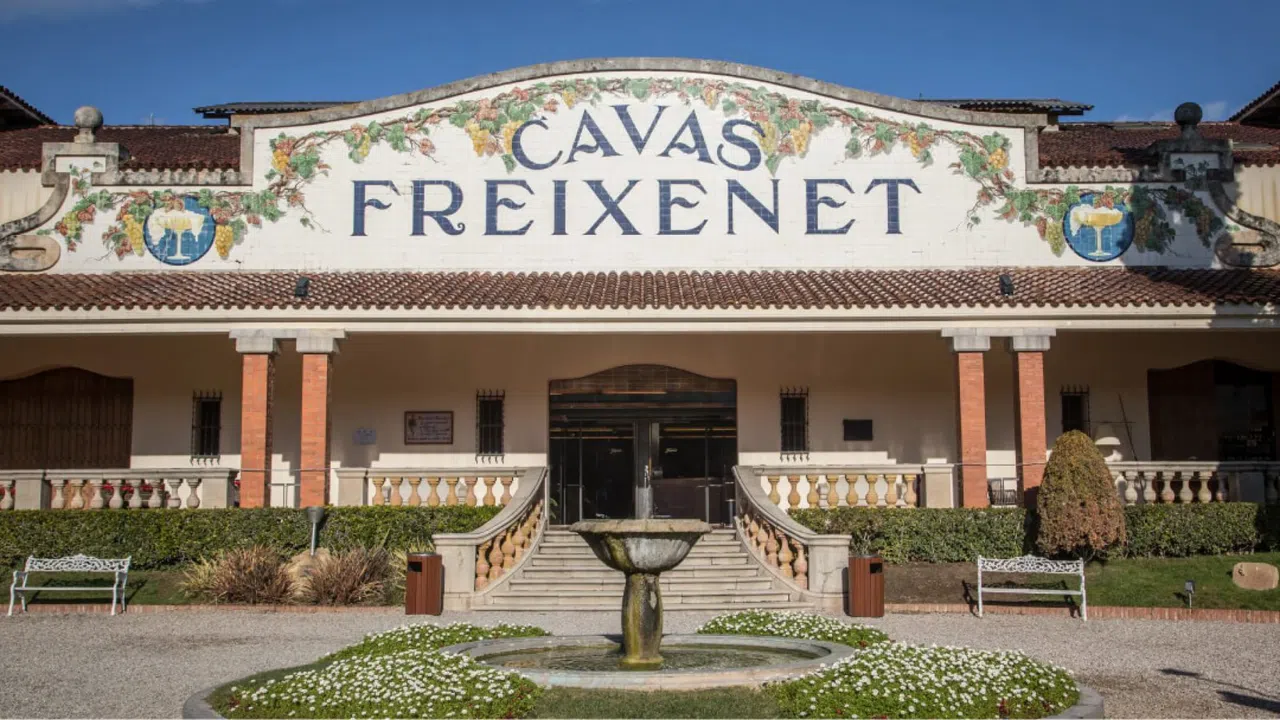
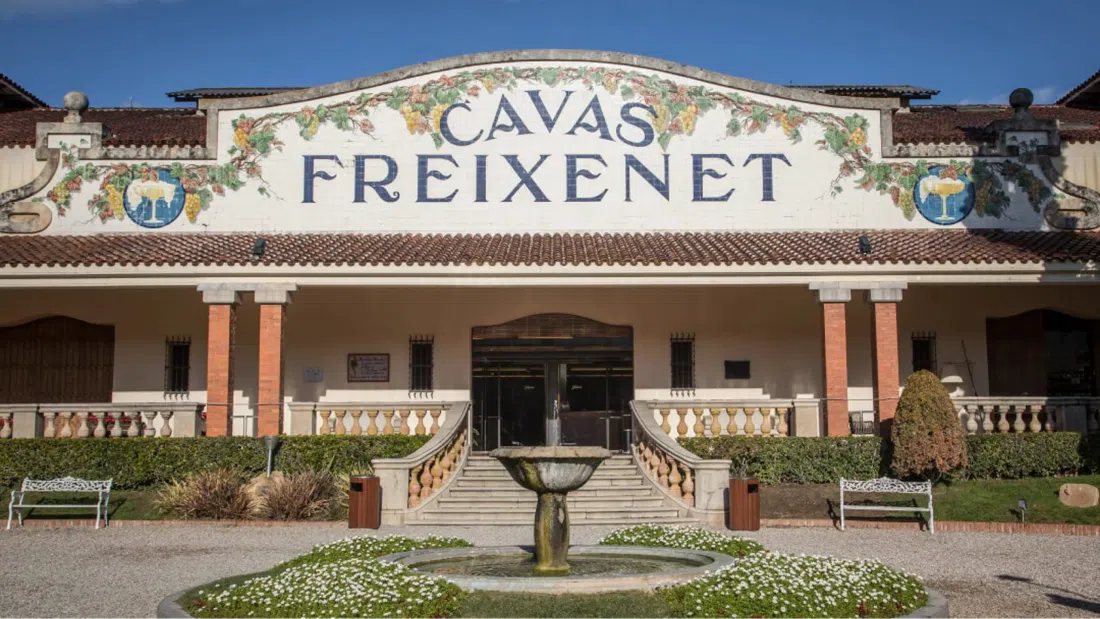
Most day trips begin exactly where the trains do. Freixenet (Sant Sadurní d'Anoia) runs its underground cellar tours close enough to the station that you could walk it with a rolling suitcase. This is cava as the world already knows it — the black bottle on every airport shelf — and the tour reflects that scale: daily scheduled slots, several languages running back to back, and staff genuinely practised at handling coach groups without making anyone feel herded through. Book via freixenet.com or a platform like GetYourGuide or Civitatis; tour plus tasting runs €18-28. It's the right call for families, first-timers, or anyone nervous about a language barrier — less so for readers chasing intimacy or a sommelier's undivided attention.
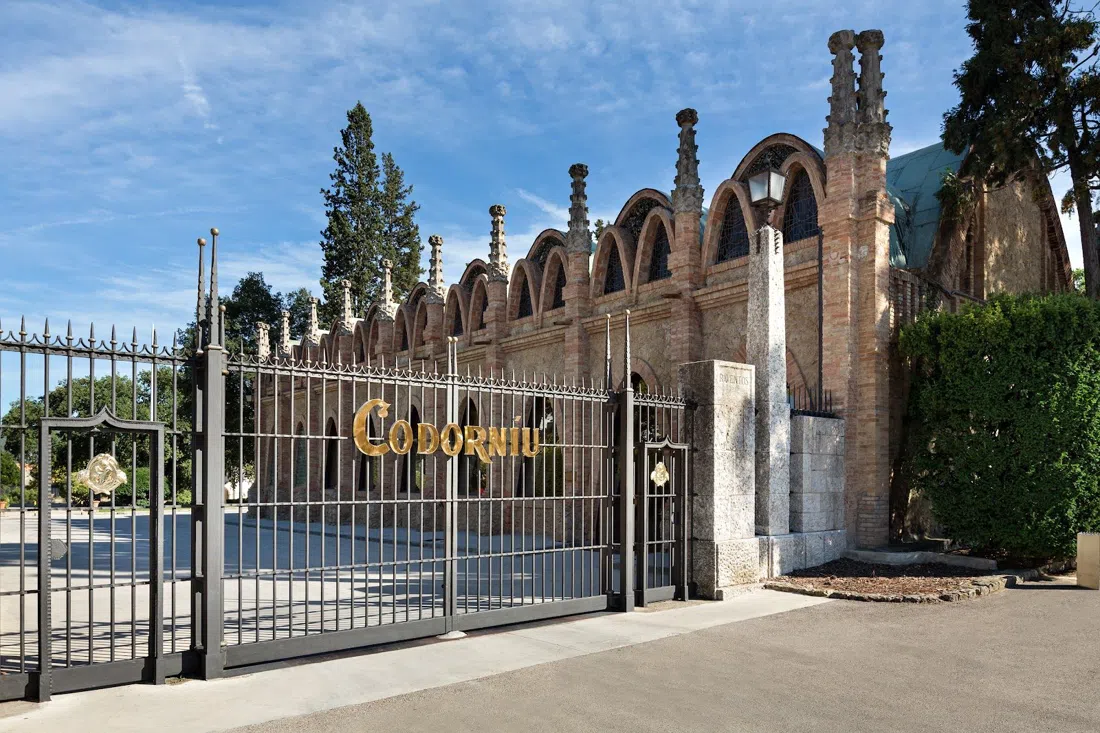
A ten-minute walk away, Codorníu (Sant Sadurní d'Anoia) raises the stakes architecturally rather than sentimentally. Founded in 1551, it's the oldest winery in Spain, but the real reason to go isn't the vintage — it's the building. Josep Puig i Cadafalch, one of the architects who gave Barcelona its Modernista skyline, designed the cellars as a destination in their own right: vaulted brick, cathedral-scaled ceilings, kilometres of underground galleries that a little train now shuttles visitors through rather than leaving them to walk the full length. Group and private tours run regularly and are popular with coach parties, so book via Tiqets, Civitatis, or codorniu.com; expect €20-30 for tour and tasting. Pair it with Freixenet and you've covered the two biggest names in cava before noon, without needing a car — the two sit close enough together that a taxi between them costs more in time-wasted-waiting than in fare.
The Corpinnat Standard-Bearers
For readers who want the version sommeliers actually put on their own tables, the story moves from Sant Sadurní's big estates to two producers working under Corpinnat, the stricter classification a handful of top growers created because they felt the wider DO Cava rules didn't protect quality or single-estate origin tightly enough. Both wineries below still call the finished wine "cava" on the label — Corpinnat sits inside the category, not apart from it — but the rules behind it demand estate-grown fruit, hand-harvesting, and a minimum ageing period well beyond the legal floor.
Recaredo (Sant Sadurní d'Anoia) is organic and biodynamic, hand-riddles every bottle rather than relying on machine giropallets, and takes no drop-in visitors at all: every tasting is arranged privately, so groups of any size need to book well ahead. Expect €35-60 per person, and expect it to earn the price — long-aged, mineral, quietly serious cava that name-drops well on any wine list. Because visits are small and private by design, this isn't a spontaneous stop; treat it as the one booking to lock in first, then build the rest of the day around it.
Gramona (Sant Sadurní d'Anoia) is, on most informed shortlists, Spain's finest sparkling wine producer, and it's reachable without a car — a 45-minute Rodalies R4 train from Barcelona-Sants gets you close enough to walk the rest. Group tastings start at €55 per person; the premium 'Universum' experience, built around Gramona's longest-aged cuvées, runs €75. If the day has room for only one truly top-tier tasting, build the itinerary around this one — and book ahead regardless of group size, since weekend slots move fast. Neither Recaredo nor Gramona is set up for a rushed 20-minute in-and-out; both run closer to ninety minutes once the tasting itself is included, and rightly so — this is the pace the wine was made at.
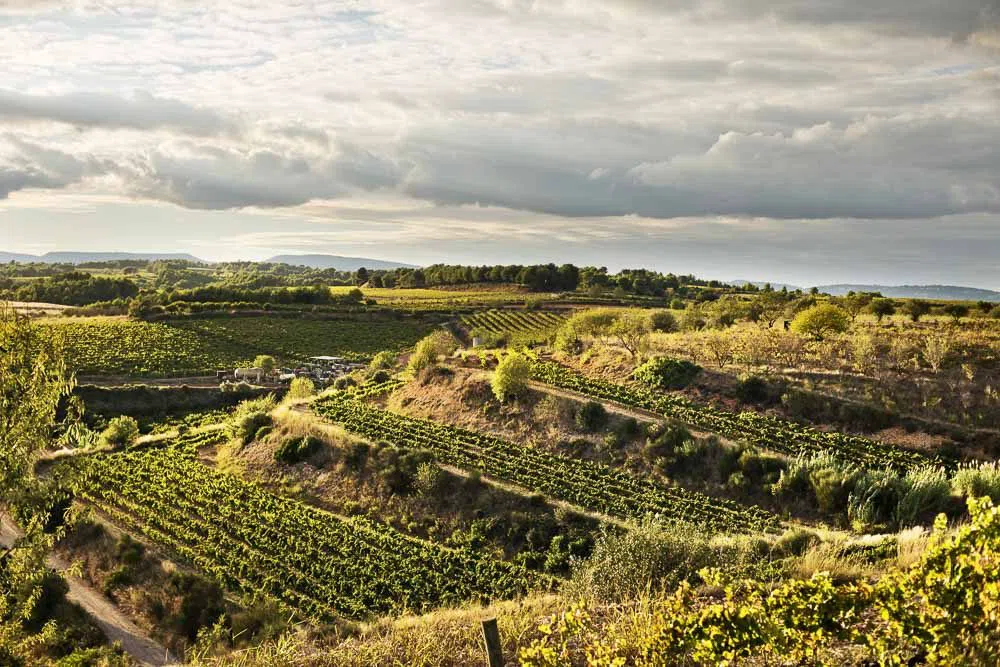
Beyond the Bubbles: Organic Estates and Vineyard Walks
Not every stop in Penedès pours sparkling wine, and not every stop wants you sitting still through a cellar tour.
Sumarroca (Subirats) is the relaxed counterpoint to the big-name cellar tours — a working organic estate producing both still wine and cava, with scheduled group visits Monday to Saturday. Advance booking is essential, not optional; a tour and tasting costs €20-30. It suits readers who want the vines-underfoot version of Penedès rather than another underground vault.

Parés Baltà (Pacs del Penedès) carries real external validation — a place on the 2024 World's Best Vineyards Top 100 — and runs the estate fully organic, biodynamic, and vegan across the range. Choose between a standard group tasting, a food pairing, or a 4x4 tour through the vineyard itself, with prices scaling from €30 up to €60 for the longer experiences. Weekends fill up here, so book ahead if that's the day you want.
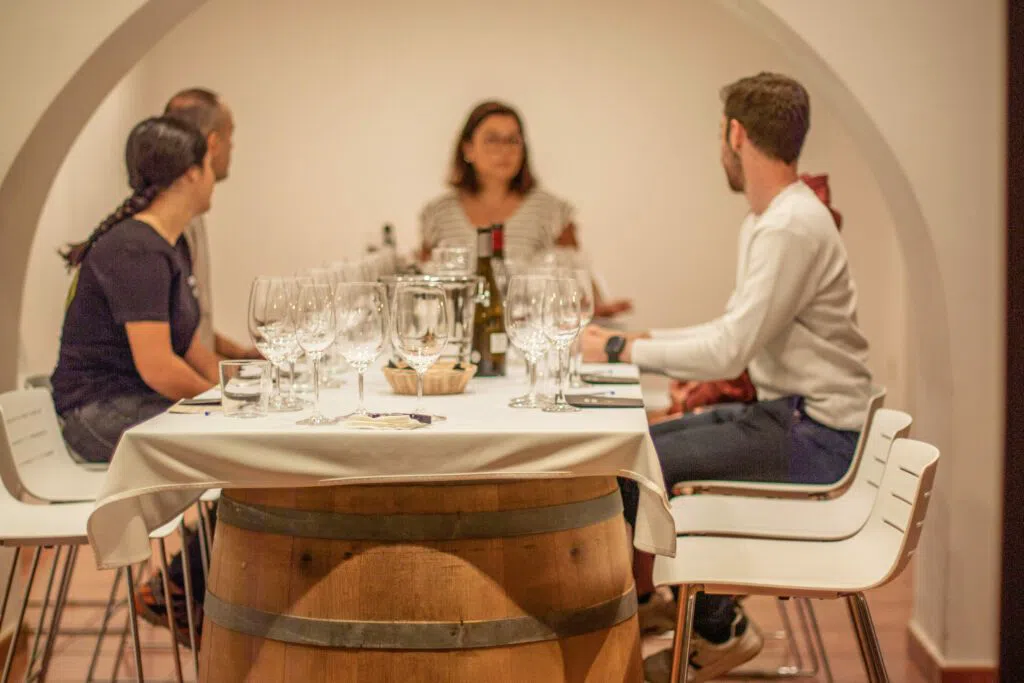
Albet i Noya (Sant Pau d'Ordal) pioneered organic winemaking in the region and is the best pick for anyone who'd rather move than sit still. Small-group vineyard visits run daily at 11h and 13h, with e-bike and hiking add-ons for readers who want the countryside under their own legs rather than through a cellar window; a vineyard visit and tasting costs €25. The fixed morning and early-afternoon slots mean this one has to anchor the day's schedule rather than fit around it — decide on Albet i Noya first, then build the rest of the itinerary outward from Sant Pau d'Ordal.
A Palate Cleanser: Still Wine at Jean Leon
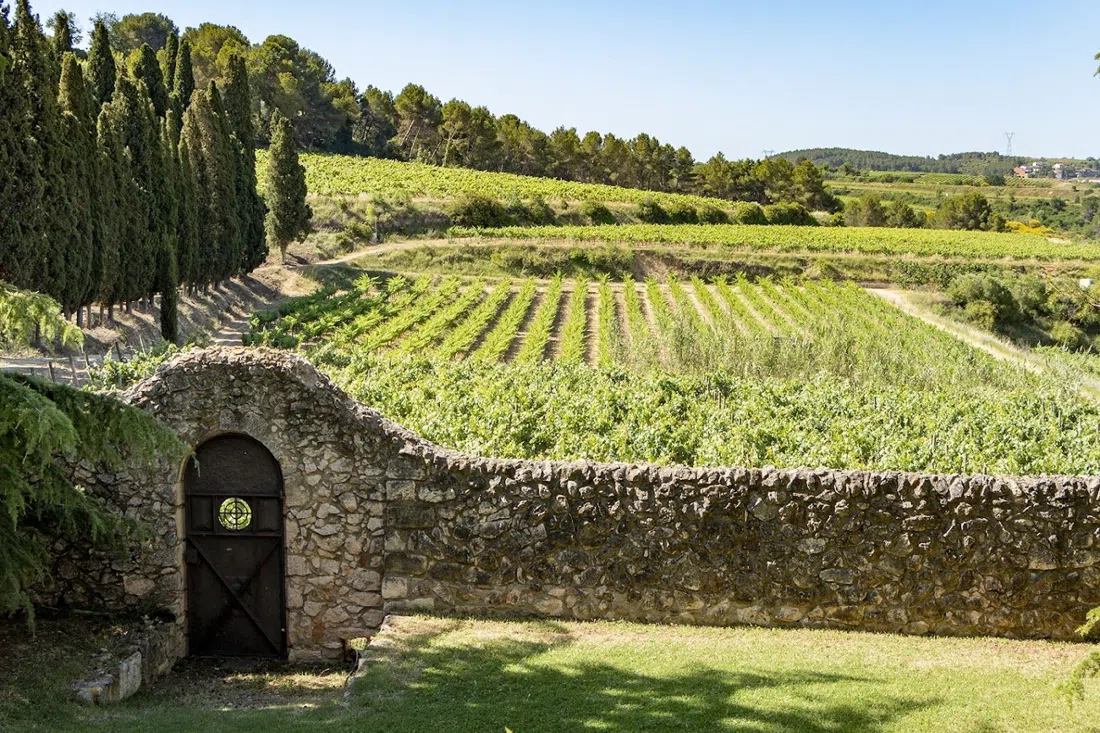
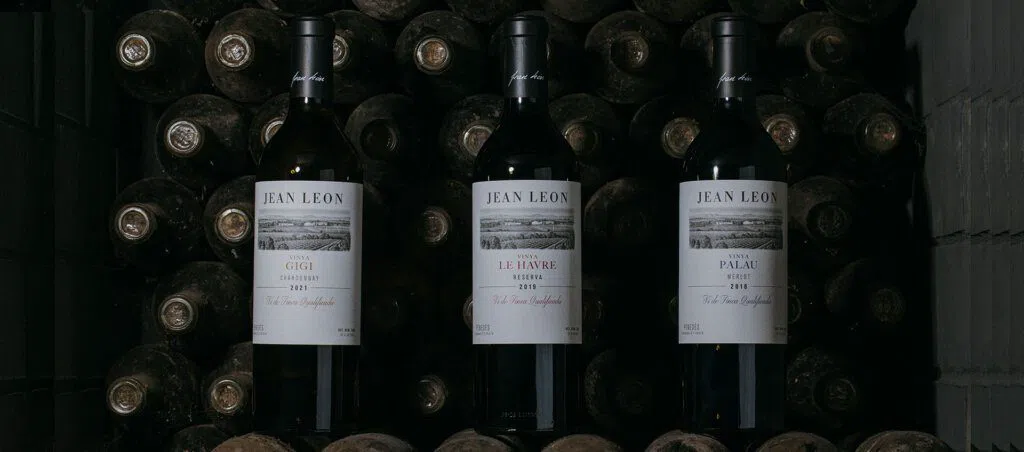
Cava is the headline of any Penedès day, but a whole afternoon of sparkling wine can flatten even a generous palate, which is where Jean Leon (Torrelavit) earns its place in the itinerary. Non-cava, single-estate, and historically significant — Jean Leon planted Spain's first single-varietal Cabernet Sauvignon here — it offers private group tastings and themed food-pairing experiences, best pre-booked rather than walked into. A tasting experience runs €30-45. Slot it in as a deliberate change of register: the moment the glass goes from bubbles to something structured and still.
The Turnkey Option: Familia Torres
If organising four separate bookings and a rental car sounds like more admin than holiday, Familia Torres (Vilafranca del Penedès area) solves it with one line item: a dedicated half-day tour with pickup direct from Barcelona, running roughly €90-110 round-trip including tapas, or €25-35 for the on-site tour and tasting alone if you're already driving. The hospitality here has a Michelin-adjacent polish — sommelier-led tastings, a regenerative-viticulture story that's substantiated rather than marketing gloss — and it removes every logistical decision from the day. This is the pick for readers without a car, without Spanish, or without the patience to stitch together train timetables themselves.
For Something Less Packaged: Juvé & Camps
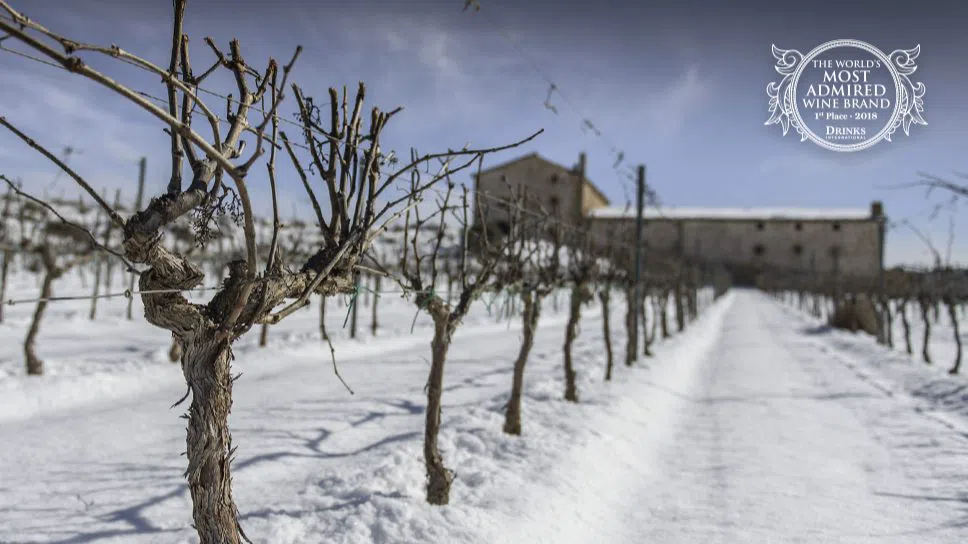
Juvé & Camps (Sant Sadurní d'Anoia) doesn't run scheduled tours at all — every visit is fully customised and private, booked in advance, priced on request. Two centuries of family ownership sit behind the estate, alongside a working 2026 harvest, and the private-only format actually suits smaller parties well: a couple or a party of four get an estate that isn't performing for a coach load. Contact ahead of the trip itself, not the week before — private slots are the first thing to fill on a Saturday.
Context First or Last: VINSEUM
For readers who like their wine with footnotes, VINSEUM — Museu de les Cultures del Vi de Catalunya (Vilafranca del Penedès) is the region's dedicated wine and cava culture museum, recently renovated, with standard group rates and guided visits for €6-8 entry. It's a smart addition either at the start of the day, to understand what you're about to taste, or at the end, once the cellars have made the exhibits make sense. It's also the one stop on this list needing no booking pressure at all — walk in.

The Scenic Finale: Llopart
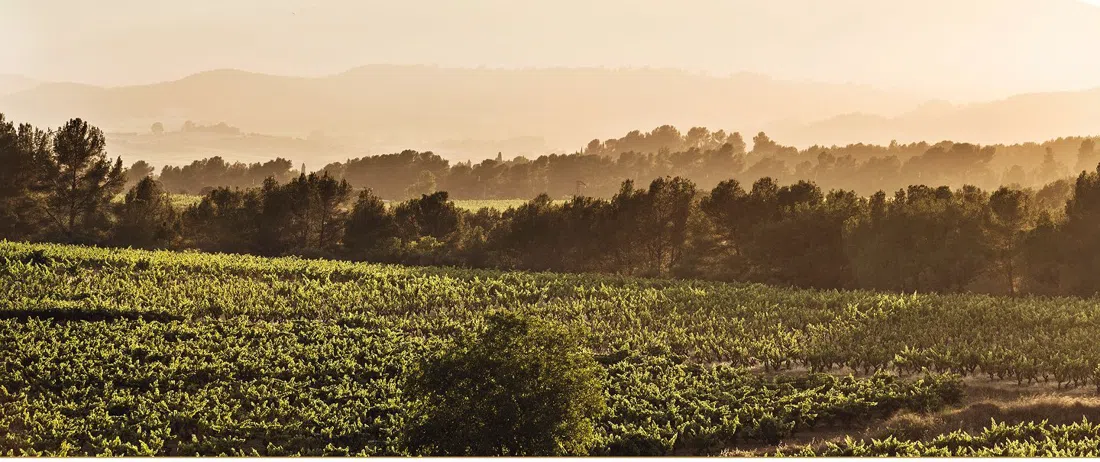
Close the day at Llopart (Subirats), a fourteenth-century masia estate with an unbroken family winemaking history stretching back more than six hundred years and, by most accounts, the best Montserrat-facing vineyard in the region — the mountain's serrated silhouette sitting directly behind the vines at golden hour. Guided tours run around two hours, minimum two people, booked through llopart.com; €33 per adult. Time it as the last stop of the day, not the first — the light and the view do work no tasting note can replace, and there's a real difference between seeing those vines at midday and seeing them when the sun is low enough to turn the whole valley the colour of the wine itself.
Getting There, Timing It Right, and What to Budget
Transport. The Rodalies R4 line from Barcelona-Sants runs to Sant Sadurní d'Anoia (about 45 minutes) and on to Vilafranca del Penedès (another 15-20 minutes) — the two anchor towns for most of this list. Trains run roughly hourly on weekdays. Recaredo, Freixenet, Codorníu, Juvé & Camps, and Gramona all cluster around Sant Sadurní; Familia Torres, Jean Leon, and VINSEUM sit closer to Vilafranca; Parés Baltà, Sumarroca, Albet i Noya, and Llopart are scattered through the villages between the two, and for those a car — or the Familia Torres pickup tour — genuinely earns its cost.
Cash. Bring some regardless of how well-organised the day is. Tastings themselves are near-universally card-payable now, but smaller family estates don't always take cards for incidental bottle purchases at the cellar door, and taxis between villages — useful if you're stitching together Sumarroca, Parés Baltà, or Albet i Noya without a rental car — mostly run on cash or a phone-based local app rather than the ride-hailing services Barcelona visitors default to.
Timing. Book everything before leaving Barcelona, not on the day itself — Recaredo, Juvé & Camps, and weekend slots at Parés Baltà and Gramona move fast, and turning up cold at a small estate is the one reliable way to be turned away. Two to three stops make a realistic day; four is a rush that shortchanges whichever estate comes last, particularly if that's meant to be Llopart at golden hour.
Budget. A no-car day built around the train — Freixenet, Codorníu, Gramona, VINSEUM — can be done for well under €100 per person including tastings. Add a private slot at Recaredo or Juvé & Camps and the day easily clears €150-200 per person. The Familia Torres pickup tour bundles transport and tapas into one fixed cost of €90-110, the simplest number on this list.
Most visitors are back in the city by early evening, which makes Barcelona hotel search the more practical bet than chasing a Penedès country hotel on short notice — there's no need to stay out among the vines when the last train back runs until late. For everything else the city has to offer once the cava wears off, the Barcelona guide covers the rest of it.