
Before nine in the morning, while the postcard vendors are still stacking crates and the human statues haven't chalked their pitches, La Rambla's real details are legible for about two hours: trencadís roof tiles, glazed pharmacy fronts, a hospital cloister nobody photographs. This walk stays mostly off the boulevard itself, ducking into the Raval on one side and the Gothic Quarter on the other, and it rewards looking up and sideways far more than looking straight ahead. Budget two and a half to three hours, most of it free, and you'll finish having seen more Modernista tilework than the queue for any single headline sight would show you. For a broader view of the city beyond this one walk, see the Barcelona guide.
Starting at the top, before the crowd arrives
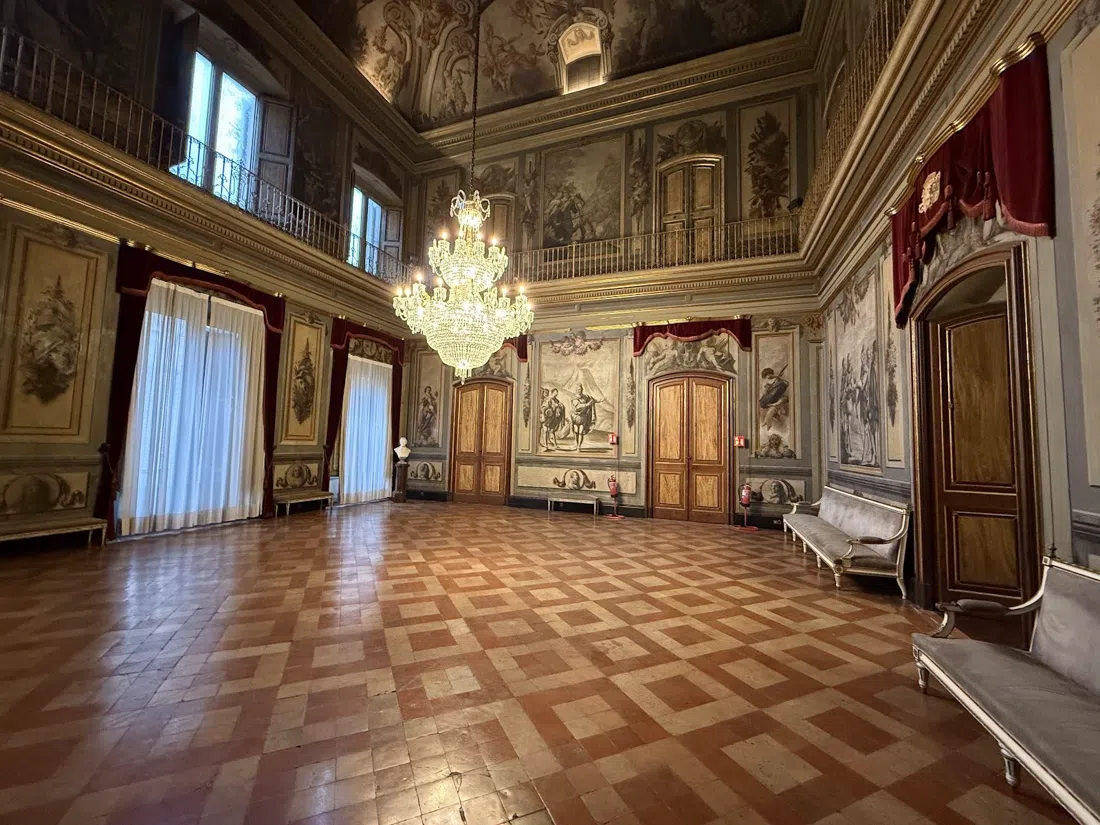
Palau Moja (top of La Rambla, where Carrer de Portaferrissa cuts west) predates the Modernista period by a century, but it sits at the exact hinge point where the boulevard's backstreets begin, which makes it the natural start line for this route. The ground floor is a free heritage exhibition space (walk-in, no ticket, no queue), and on the second and fourth weekend of the month you can arrange a small guided tour of the upper rooms in advance if you want the fuller history. Most visitors walk straight past it for the flower stalls and gift shops flanking the entrance; give it five quiet minutes and you'll likely have the exhibition floor to yourself before the street outside properly wakes up.
Into the Raval for hospital cloisters and pharmacy fronts
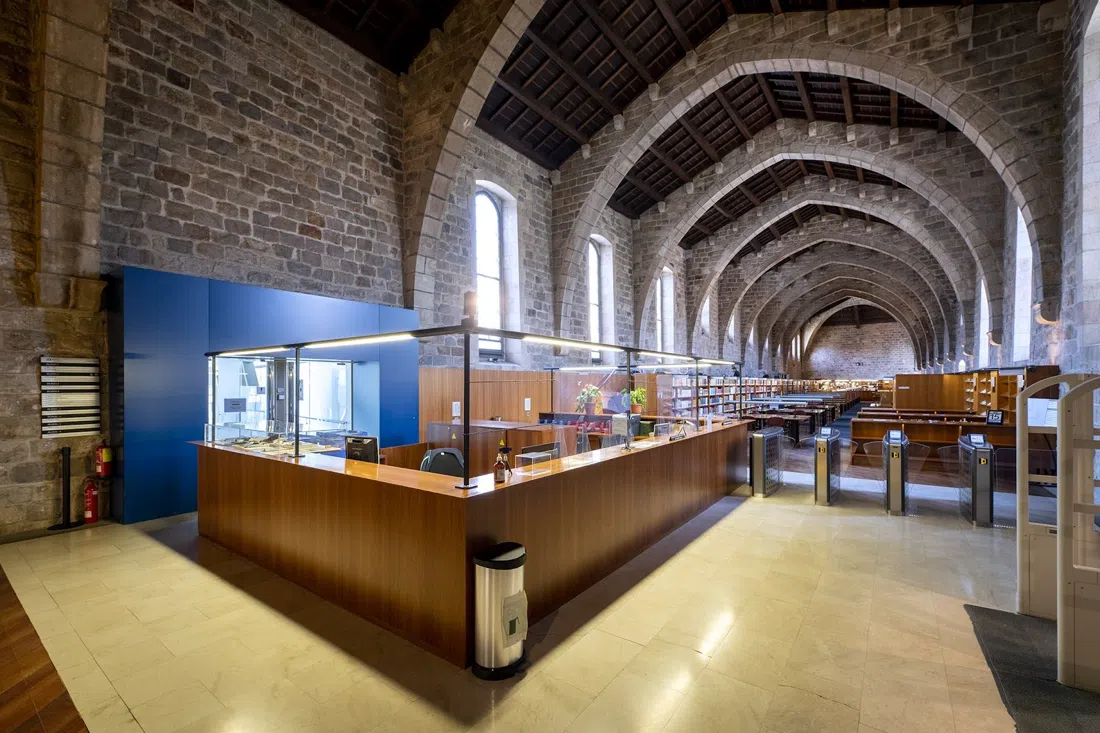
Cut west off the boulevard down Carrer de l'Hospital or Carrer del Carme and you're in a different city within ninety seconds. The Biblioteca de Catalunya (Antic Hospital de la Santa Creu, El Raval) occupies a working medieval hospital complex that most foot traffic on the boulevard never registers exists. Push through the gate and you're in a Gothic courtyard with orange trees and worn stone arcading: free, self-guided, open to individuals and small groups without booking anything ahead. Formal guided tours of the fuller building do exist, but they need arranging in advance for larger parties; for a couple or a small group content to wander the courtyard and lobby, you can simply walk in.
Next door in the same old-hospital complex, on Carrer del Carme, the Institut d'Estudis Catalans (Casa de Convalescència, El Raval) guards one of the best-preserved tiled courtyards in the old city: full-wall ceramic murals, a cloistered walkway, and almost nobody around to see it. It's a working institutional building rather than a museum, so small groups can walk in on weekdays between 8am and 8pm; dress and behave like you're in someone's office lobby, because in a sense you are. Larger group visits should go through a guided-tour request rather than turning up and hoping for the best. It's barely mentioned in most Rambla-focused guides, which is exactly why the detour is worth it.
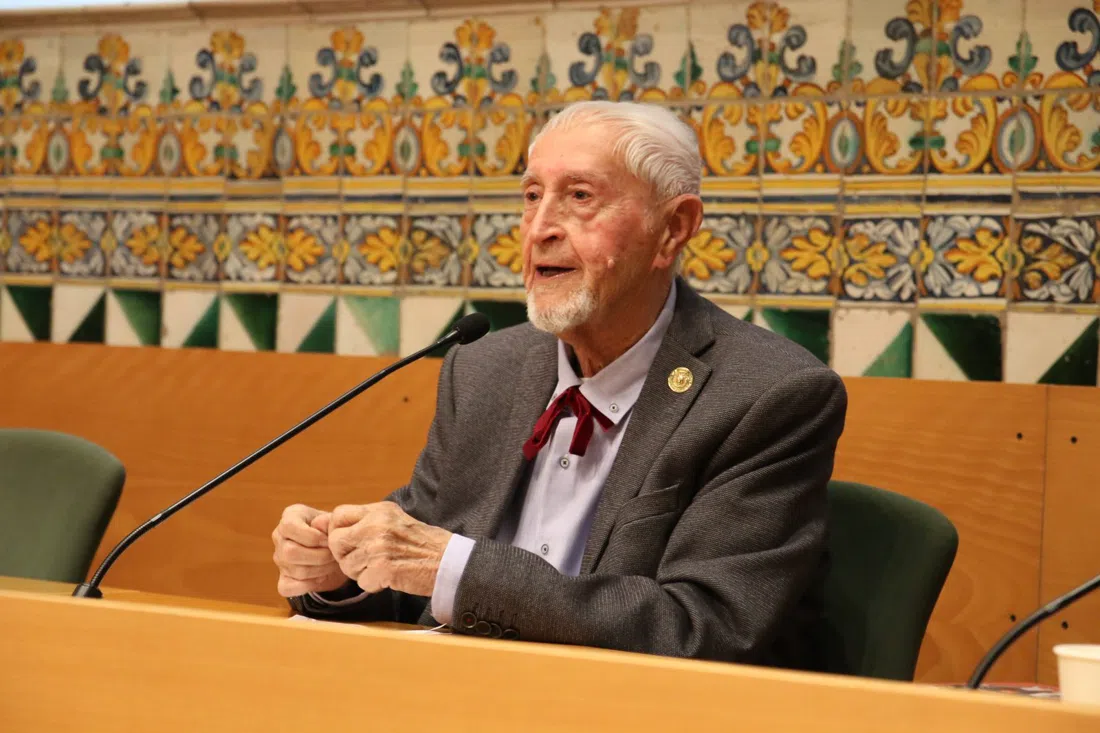
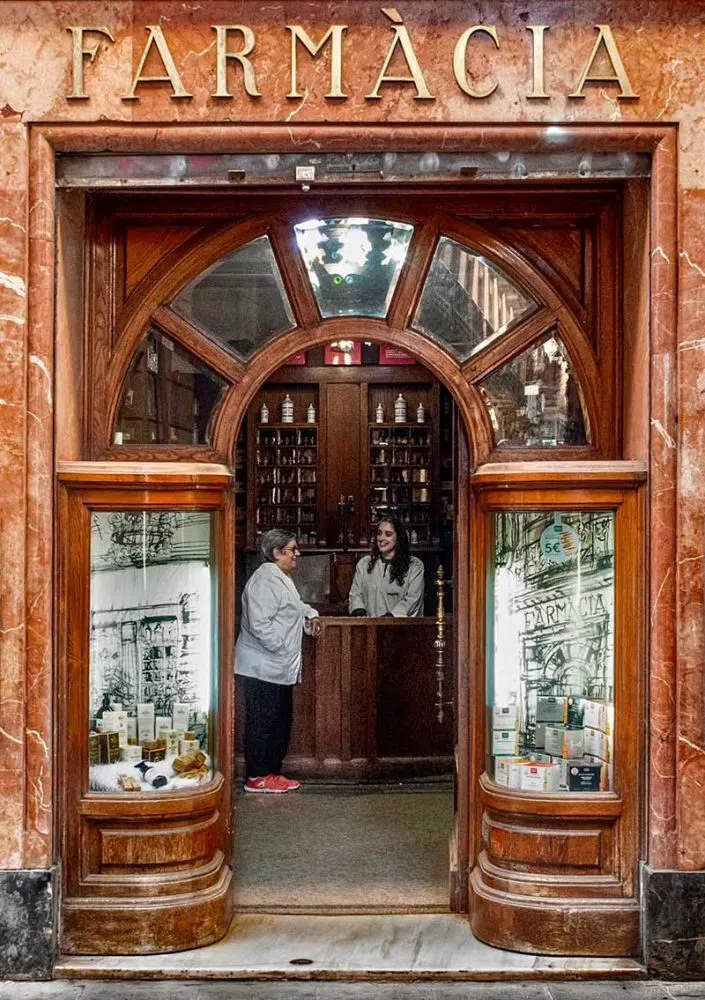
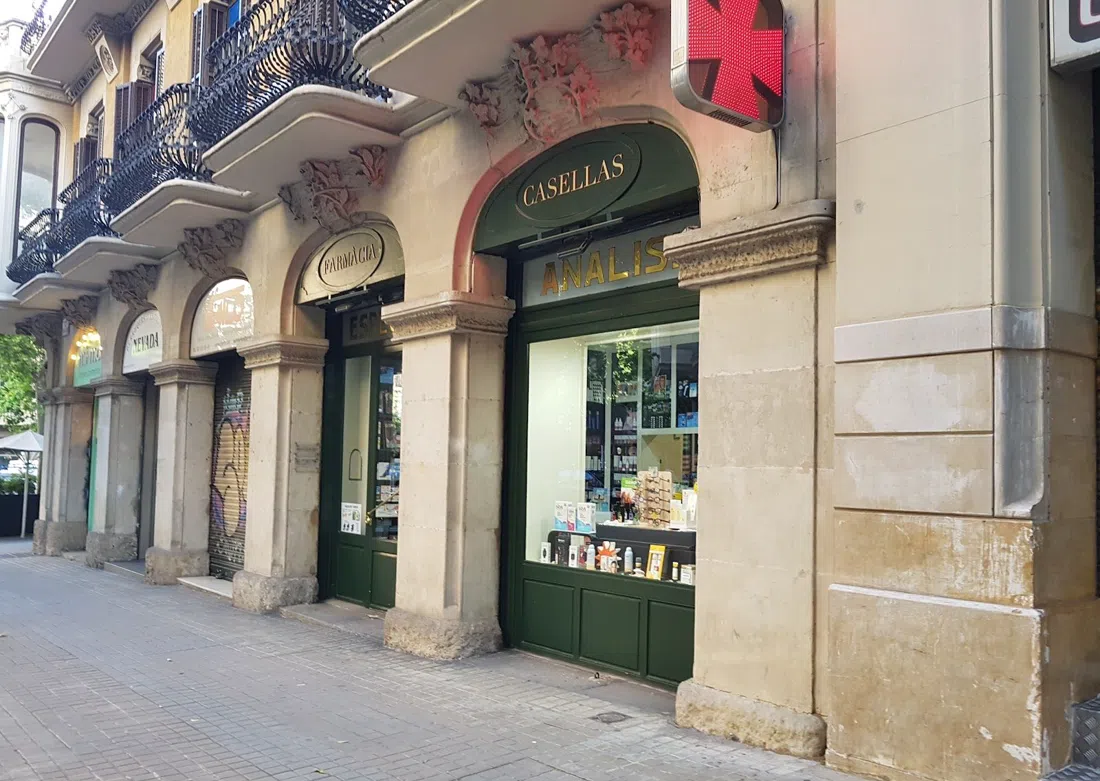
A few minutes further along, two working pharmacies keep the tile hunt going without a single door to walk through. Farmàcia del Carme (Casellas, El Raval) is a genuinely functioning shop with an intact Modernista storefront (glazed tile, ironwork, gold-lettered signage), and it's fine to stop and look as a small group as long as you're not blocking the doorway for actual customers picking up prescriptions. A few doors down the same street, Farmàcia Mas Docampo (Antiga Farmàcia Comabella, El Raval) does the same thing in a different palette, giving you two distinct tiled-and-ironwork pharmacy fronts back to back rather than one isolated curiosity you have to take on faith.
A covered passage and an arcaded square that Gaudí got to first
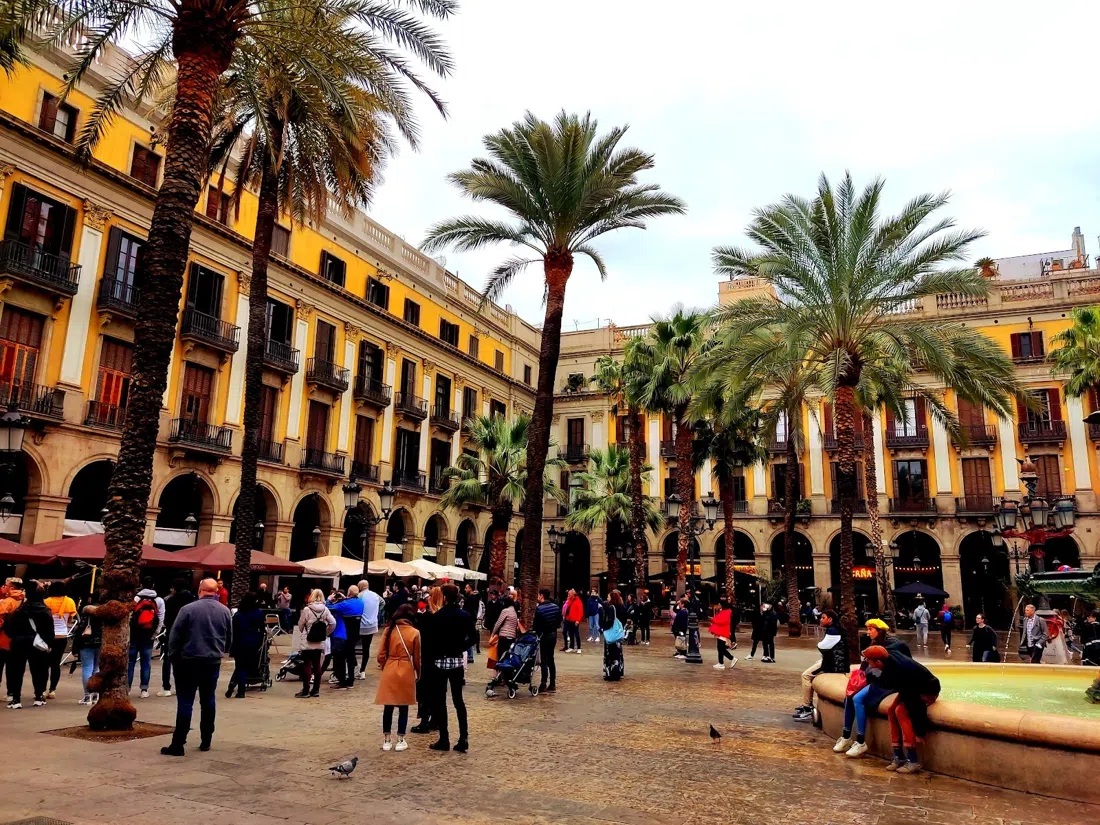
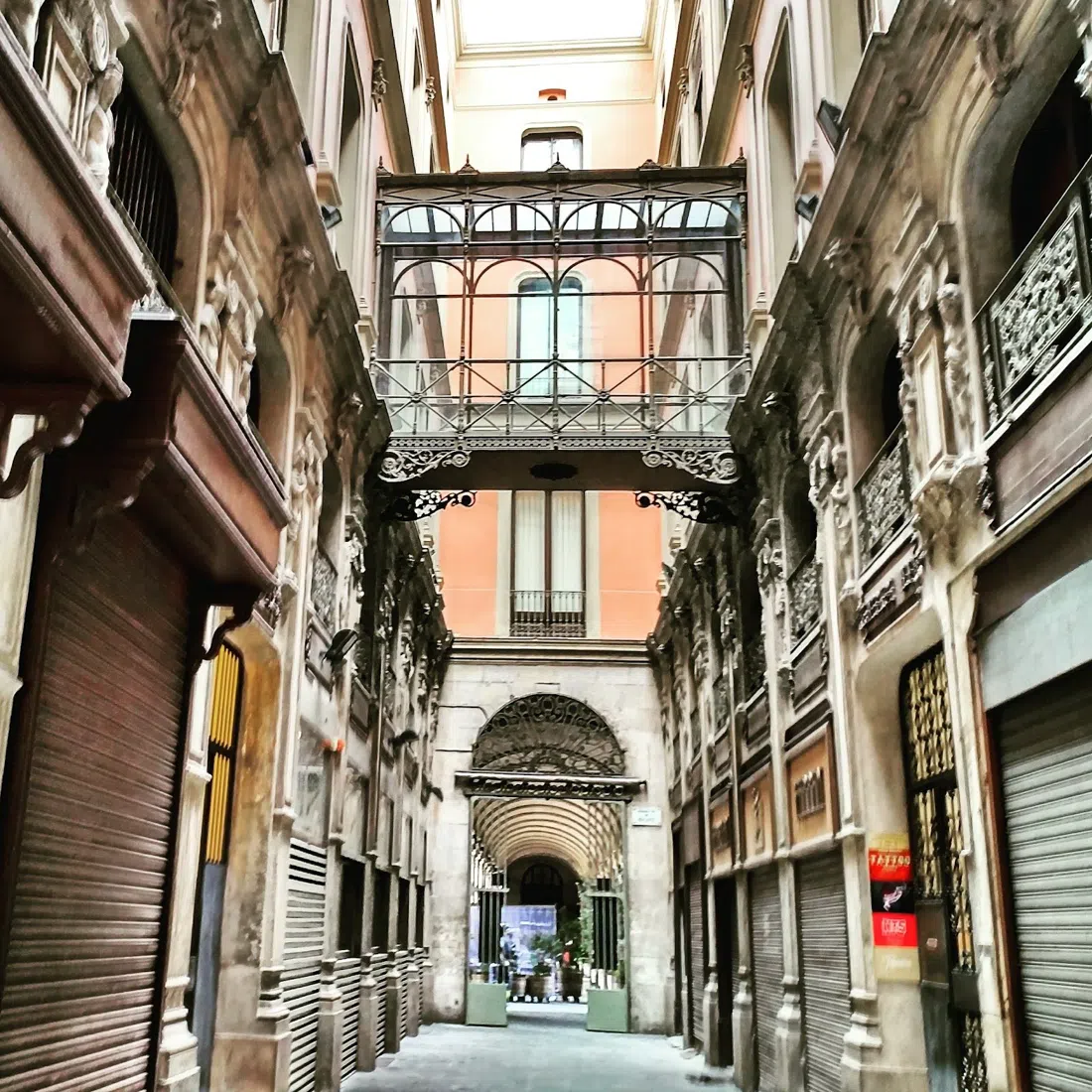
Doubling back toward the boulevard, look for the narrow gap in the building line that most people walk straight past: Passatge de Bacardí (between La Rambla and Plaça Reial) was one of the first covered passages built in the city, and its entrance is genuinely easy to miss: it reads as a shop doorway until you're actually inside it. It's a public thoroughfare, free, no restrictions on group size, and it deposits you almost directly into Plaça Reial (Gothic Quarter, just off La Rambla), which is technically a square rather than a courtyard but earns its place on this route regardless. The arcaded neoclassical shape gives it the enclosed, look-up feel of a cloister, and the lampposts at its centre are Gaudí's earliest surviving public commission, a detail most visitors photograph without knowing what they're looking at. Early morning, before the terrace bars set up and long before the square's after-dark crowd arrives, it's close to silent, palm trees and all. Come back at night and it's a completely different, much louder place; this route is built around catching it before that happens.
The overlooked details on La Rambla itself
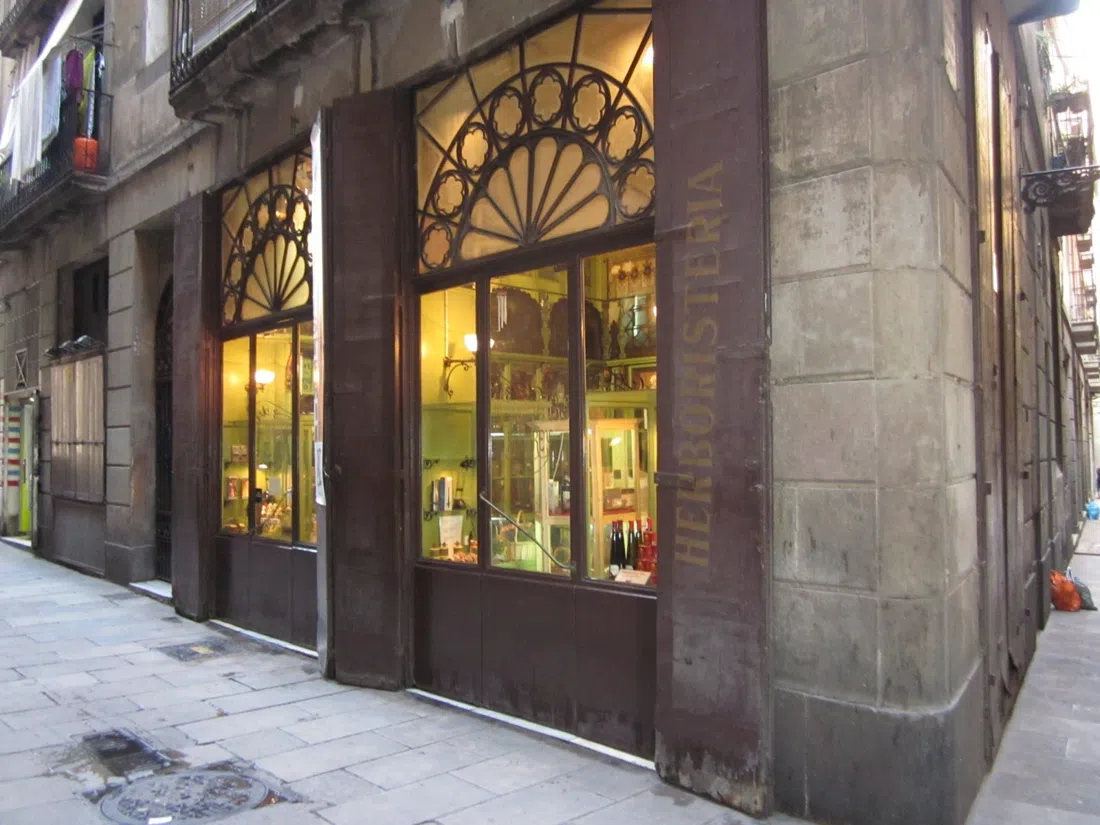
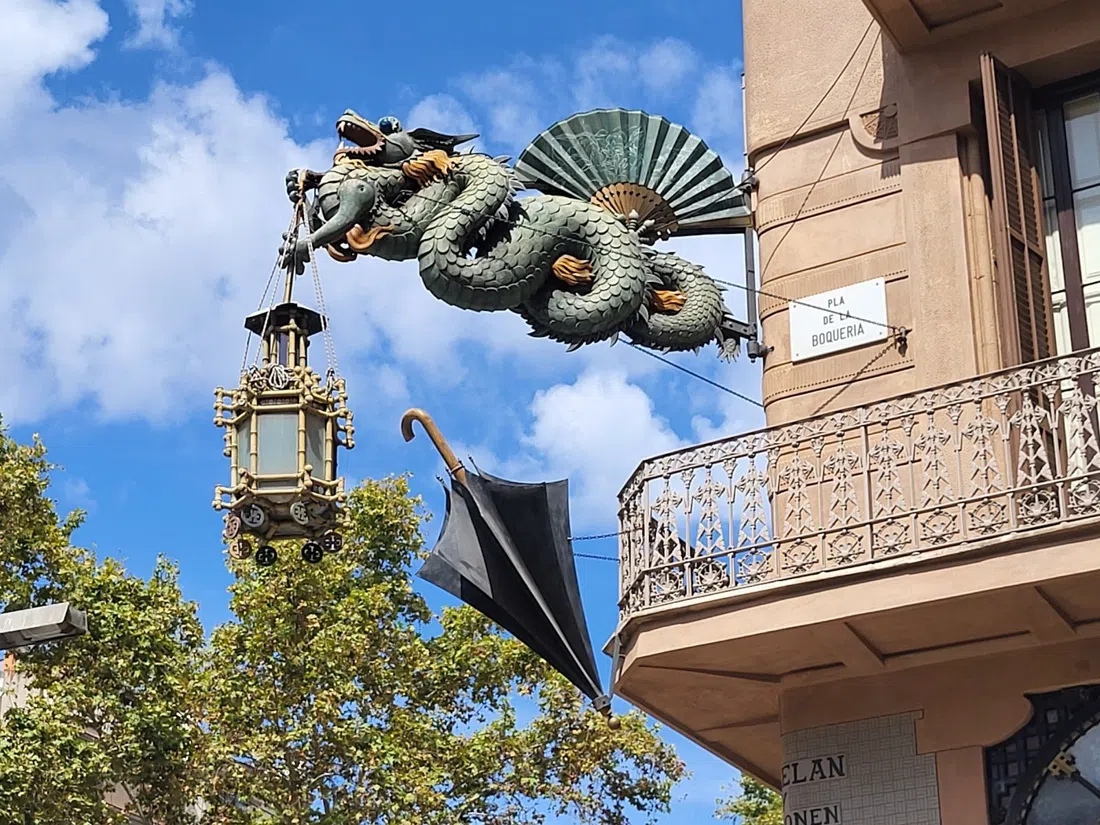
Not everything on this walk requires leaving the boulevard: some of it hides in plain sight because rushed foot traffic never looks past eye level. Casa Bruno Quadros (Casa dels Paraigües, midway down La Rambla), an Orientalist Modernista facade with a dragon and parasol motifs above street level, now has a bank branch on the ground floor, so there's nothing to book and nothing to queue for, just a two-minute stop where you simply stand across the street and look up. The Herbolari del Rei (near the Boqueria end of La Rambla), Barcelona's oldest herb shop, is one of the few surviving 19th-century shop interiors on the boulevard that's still trading rather than preserved behind glass; it's closed Sundays, but on any other day small groups can browse the original fittings while the shop quietly does its actual business around you.
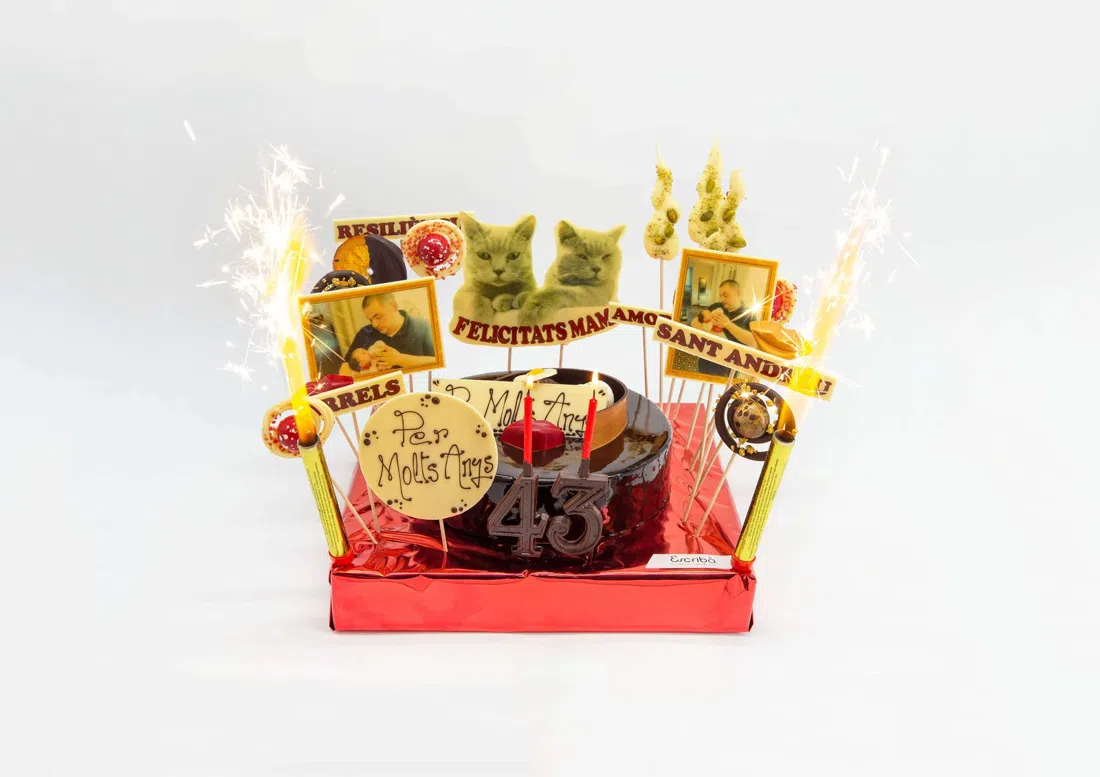
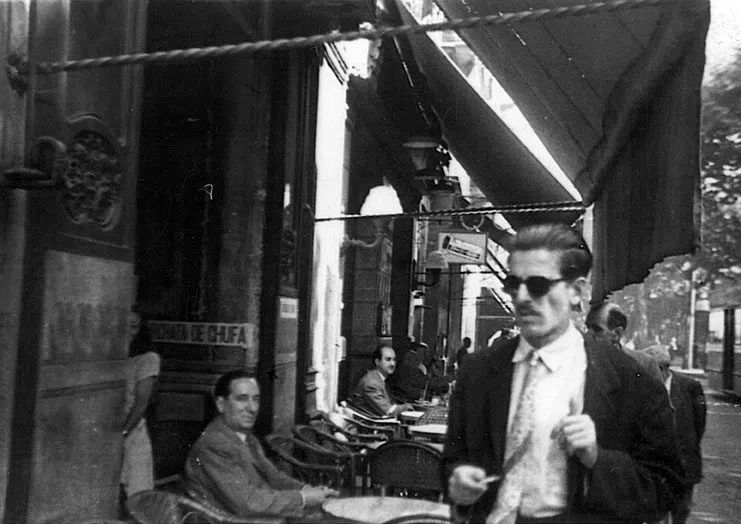
For the two most photogenic tile surfaces on the whole street, stop at Antiga Casa Figueras (Pastisseria Escribà, near the Boqueria), whose mosaic shopfront is arguably the best-preserved on the boulevard: everyone stops for the window pastries and almost nobody tips their head back to look at the tilework framing them. It's a walk-in bakery counter, fine for a group to browse and buy, though there's no seating if you're travelling as a larger party. A short walk on, Cafè de l'Òpera (opposite the Liceu on La Rambla) sits directly on the boulevard itself, which makes it easy to dismiss as a tourist café, but the interior, all dark wood and mirrors, is worth the ten minutes it takes to sit with a chocolate con churros and actually look at the room instead of the street outside. No reservations, and tables are small, so if you're a group of more than two or three, expect to split up at busy times.
Gaudí's quiet house and the backstreet bars around it
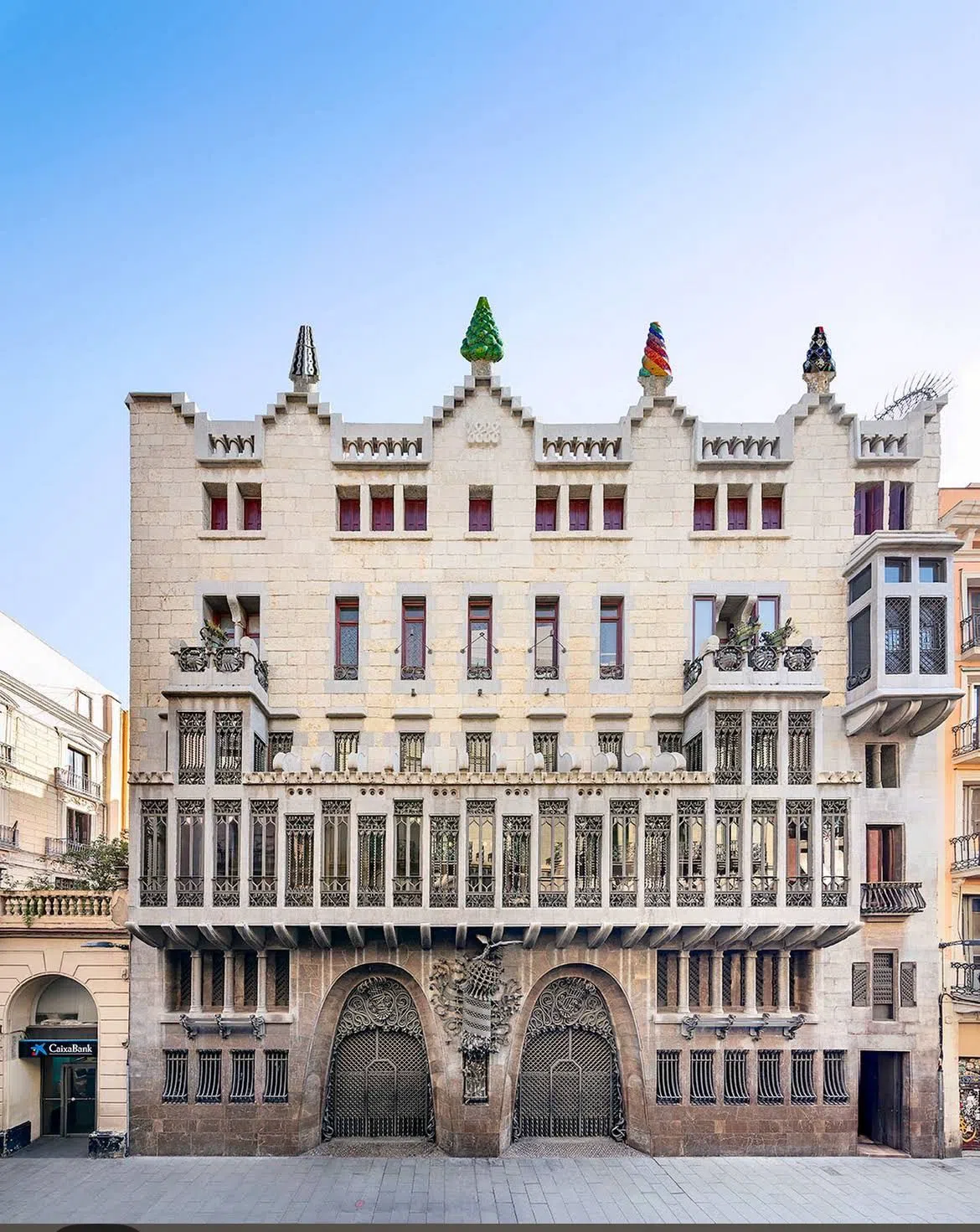
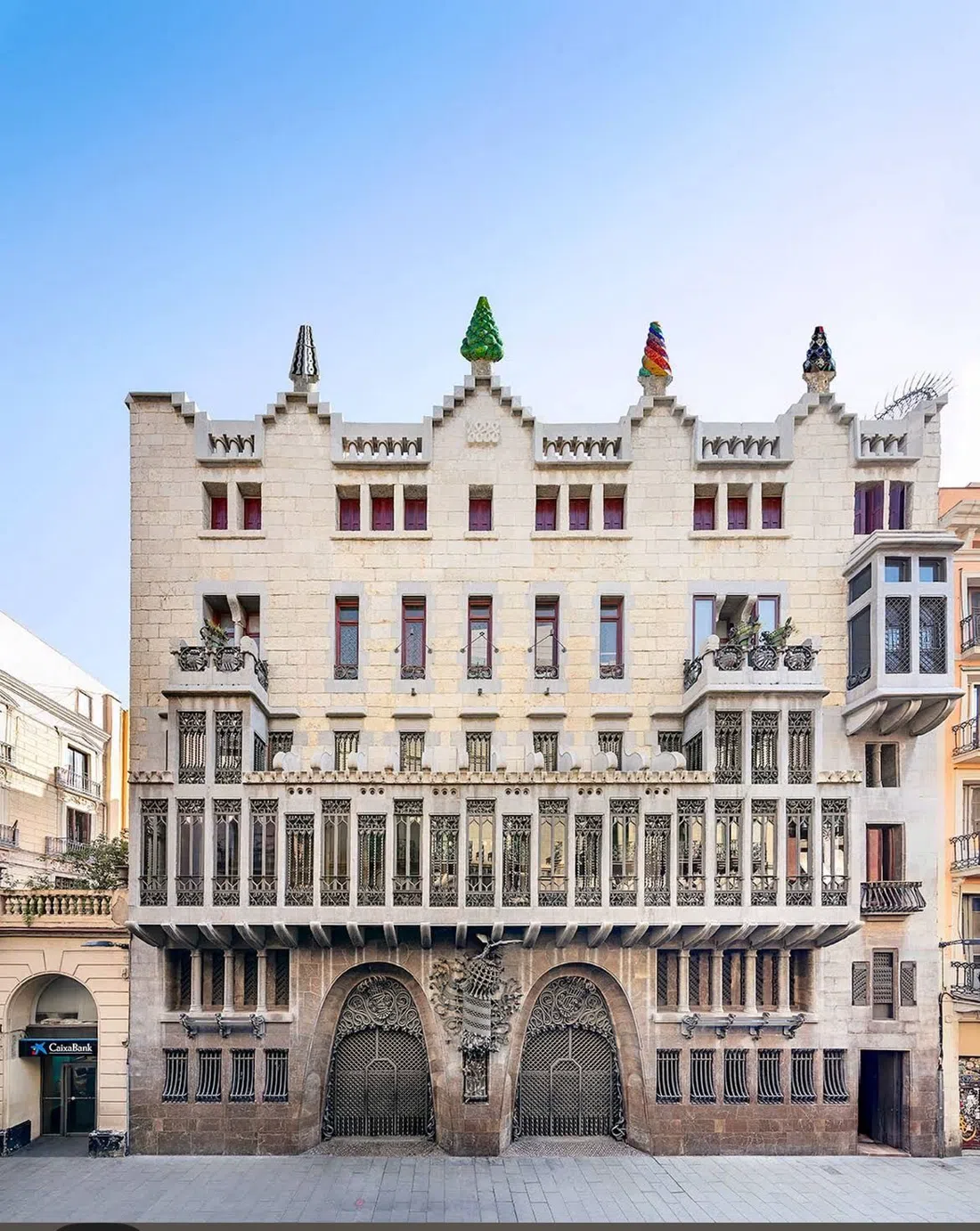
The route's anchor image is a five-minute walk off the boulevard down Carrer Nou de la Rambla: Palau Güell (Raval, on the edge of Poble Sec), deliberately the quiet Gaudí, overshadowed by Sagrada Família and Casa Batlló, which is exactly why its mornings are genuinely calm rather than performed-calm. The trencadís chimney pots on the roof terrace are the literal centrepiece of any Modernista tile hunt in this city, and unlike the boulevard's headline sights, you can actually stand up there without a stranger's shoulder in every photo. Timed-entry tickets are recommended in advance, with group and school rates available, and entry is free on the first Sunday of the month if you're willing to queue early for it.
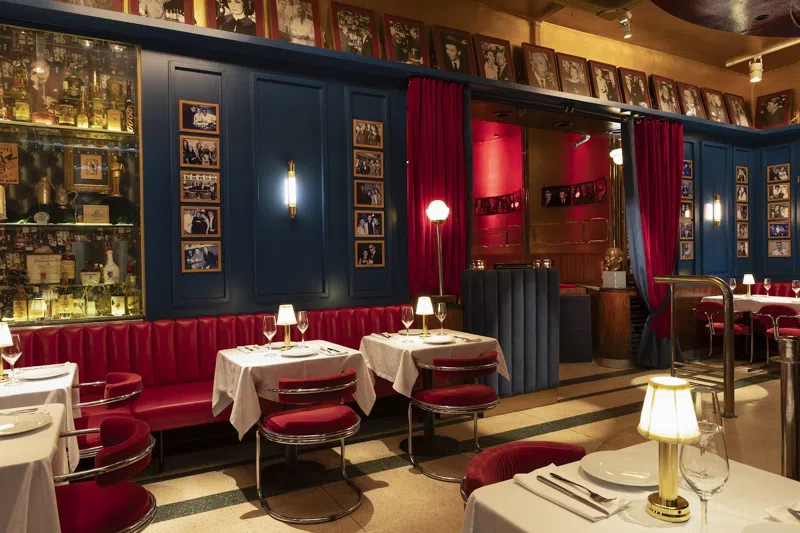
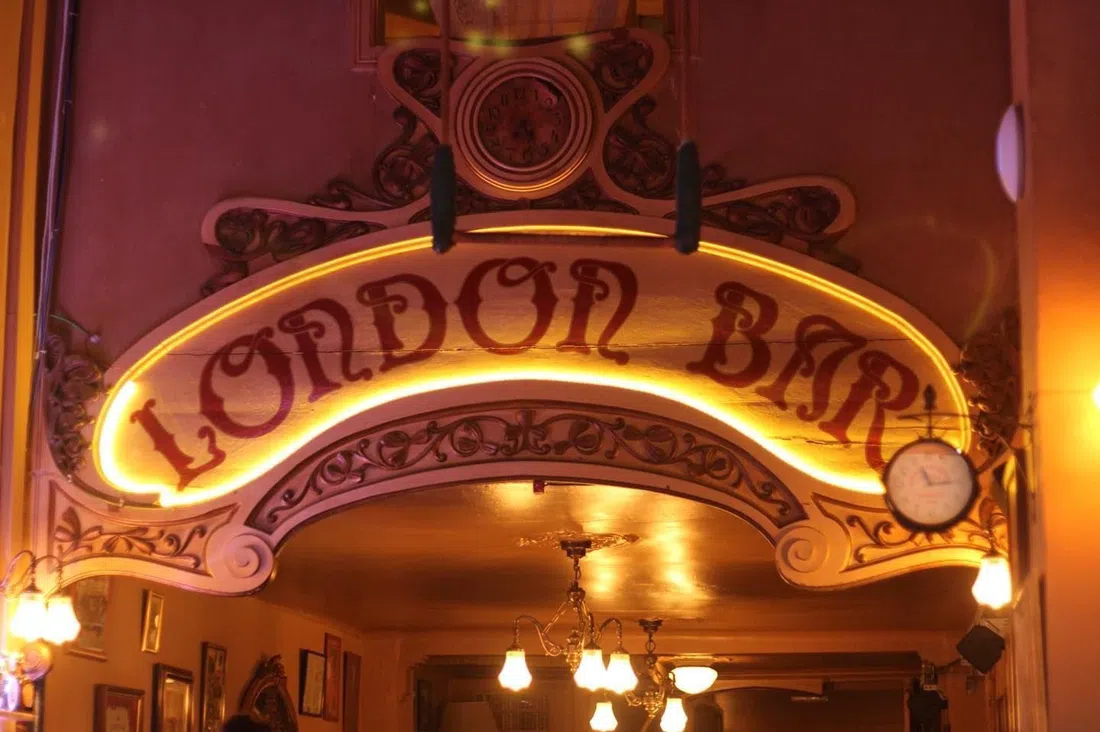
Two backstreet bars sit close enough to make a natural pairing stop, though neither suits a quiet morning look, so save them for later in the day. London Bar (Carrer Nou de la Rambla, right by Palau Güell) has kept its original 1910 decor intact and runs live music most nights, rock through blues to jazz, which makes it a better early-evening or pre-dinner stop than somewhere to linger at ten in the morning. A few streets over on Joaquín Costa, Casa Almirall (El Raval) is one of Barcelona's two oldest bars, and unlike London Bar its original 19th-century interior has never been touched up into a re-creation: no food menu, no reservations, small groups welcome for a drink, and it gets properly busy from early evening on. Treat both as the reward at the end of the tile hunt, not part of the hunt itself.
Practical notes for the morning
Timing. Start at 8:30-9am if you can manage it. By 10:30 the Rambla itself is at full tourist density, though the Raval detours (the hospital complex, the two pharmacies) stay relatively calm most of the day since they're genuinely off most visitors' radar. Palau Güell is quietest right at opening, before the first tour groups arrive.
Cash and cost. Most of this route is free: the two courtyards, the covered passage, the square, both pharmacy fronts, Casa Bruno Quadros, Herbolari del Rei, and Palau Moja's exhibition floor cost nothing. Budget €12-18 for Palau Güell if you're not going on the free first Sunday, plus a few euros for pastries at Antiga Casa Figueras or a coffee at Cafè de l'Òpera. Card is accepted almost everywhere, but the herb shop and the bakery counter move faster with small cash for small purchases.
Groups. Everything up to and including Plaça Reial works fine for a group of any size. Palau Güell and both institutional courtyards ask larger parties to arrange visits ahead rather than turning up in a crowd; Cafè de l'Òpera's small tables mean groups of more than three or four should expect to split up.
Getting there and where to stay. The whole route is walkable from either end of La Rambla: Liceu and Drassanes metro stations on line L3 both sit within a few minutes of the middle and southern stretches described here. If you're basing yourself nearby for a few days, start with a Barcelona hotel search for something in the Gothic Quarter or the Raval, both of which put you inside this entire route on foot.